
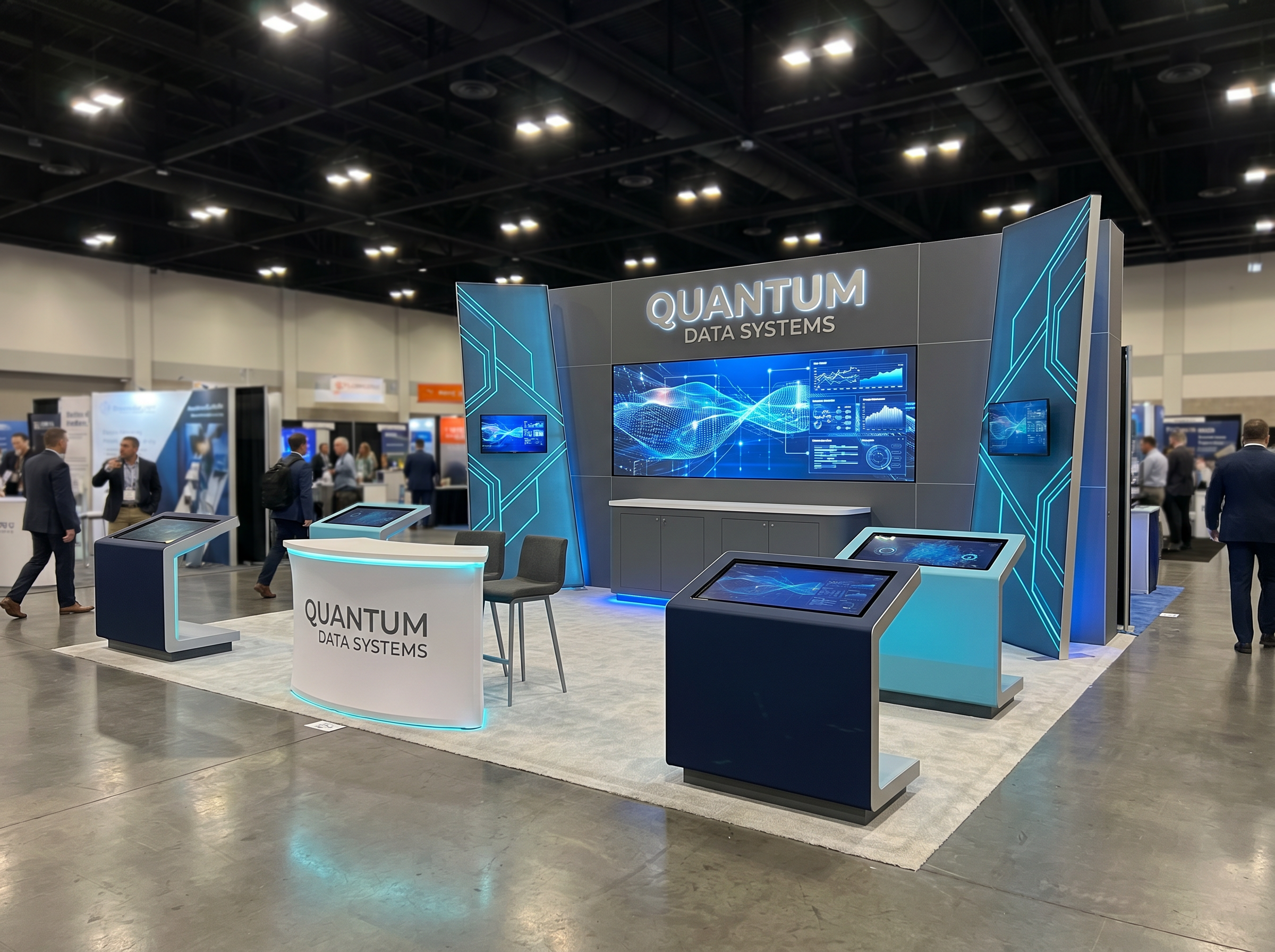
What we make for you
Not sure what something looks like? Tap it and see.
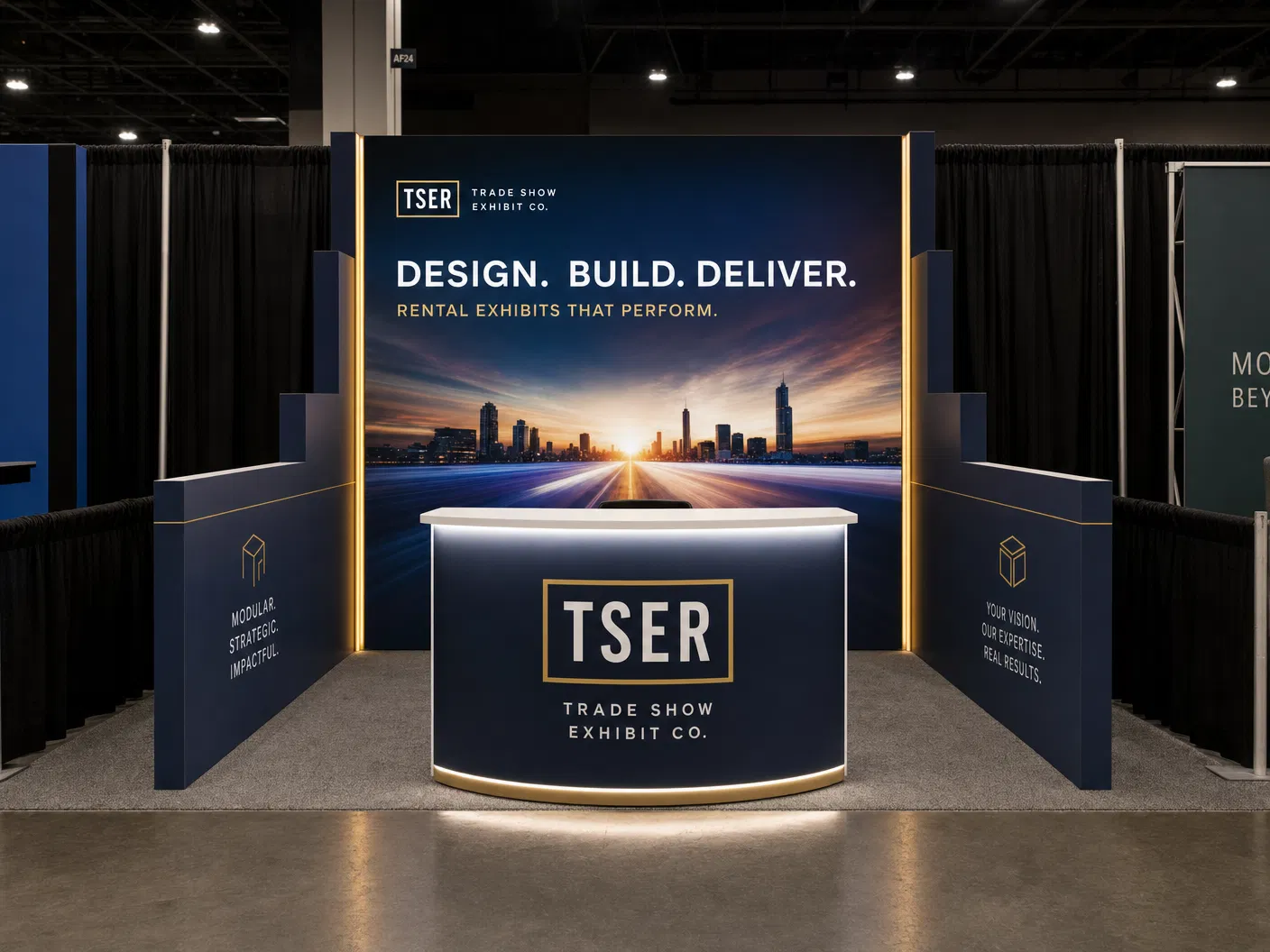
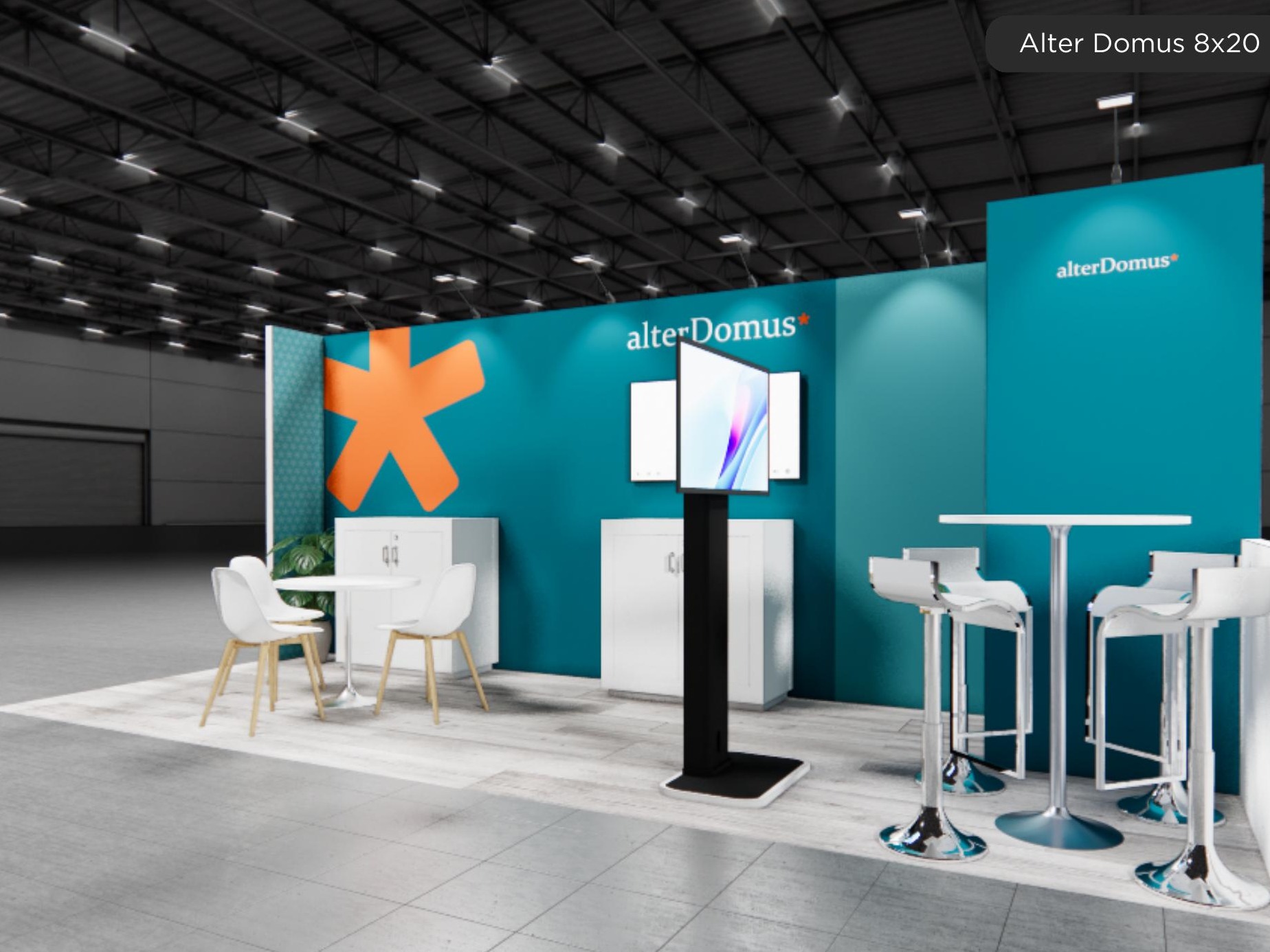
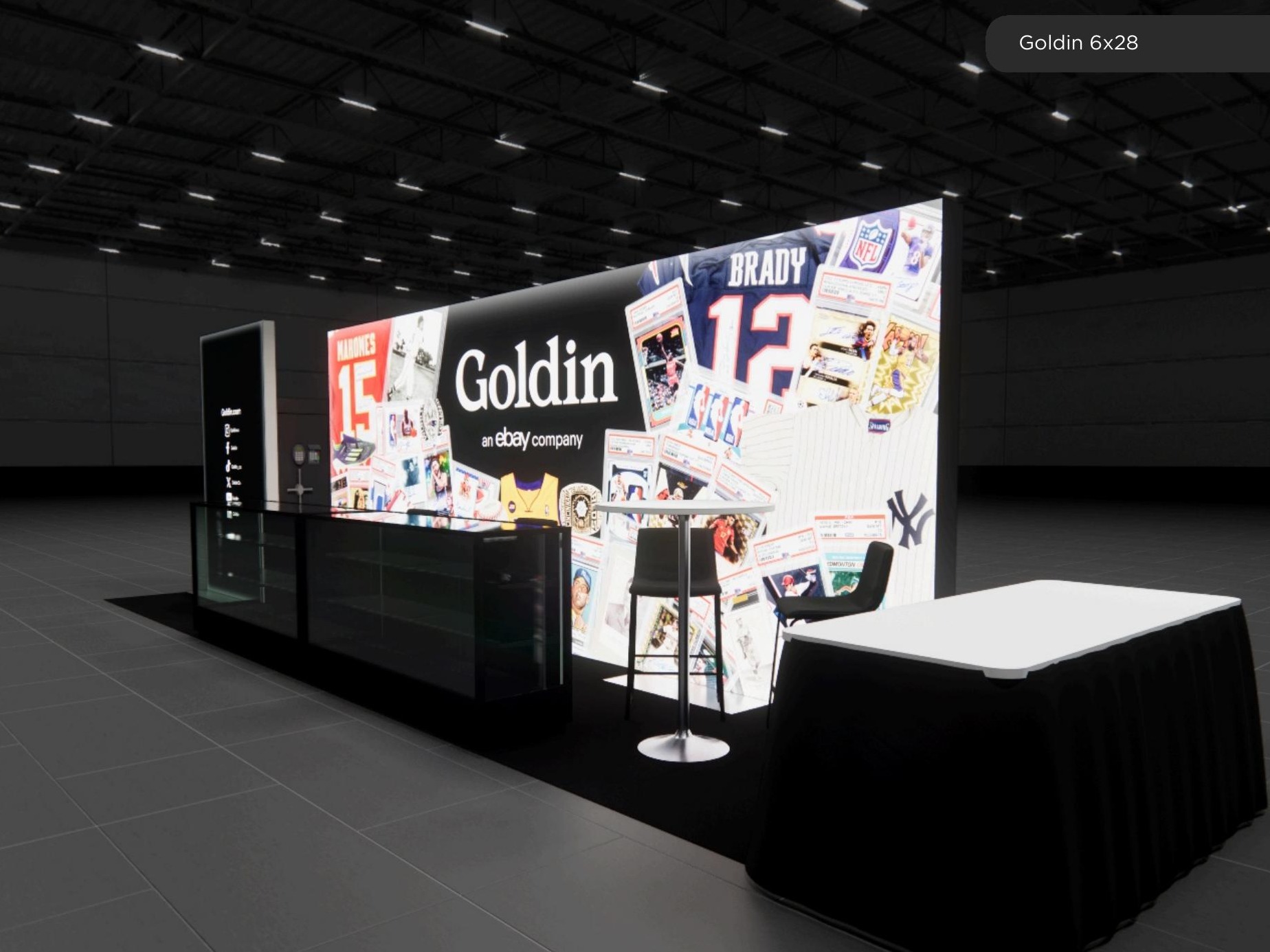
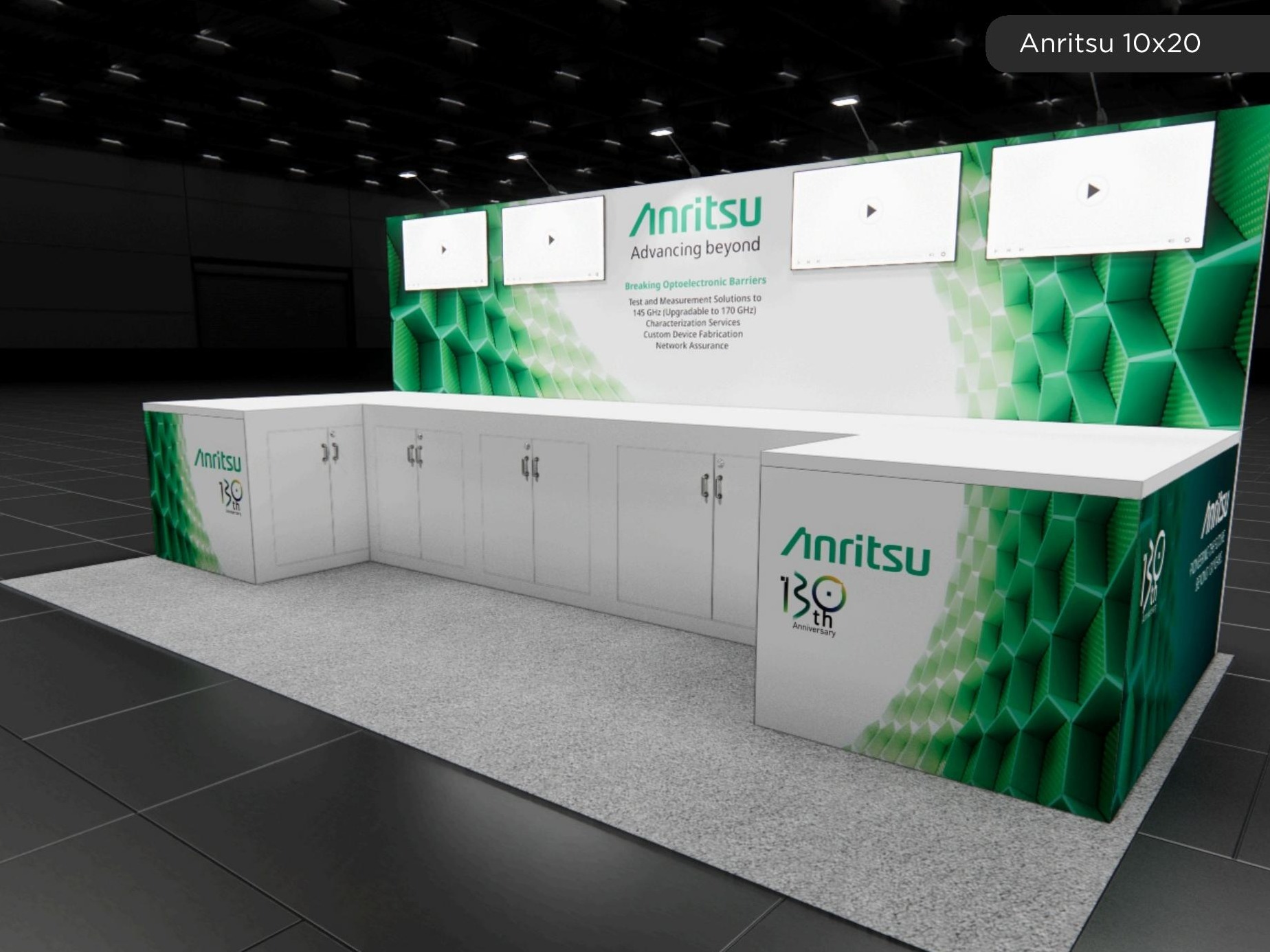
Every item below is a real piece we print and finish in-house. Click any one to see a photo example and exactly how it helps you win attention on the floor.
SEG graphics work best when the print, silicone edge finishing, frame tolerance, and installation sequence are planned together instead of handed from vendor to vendor.
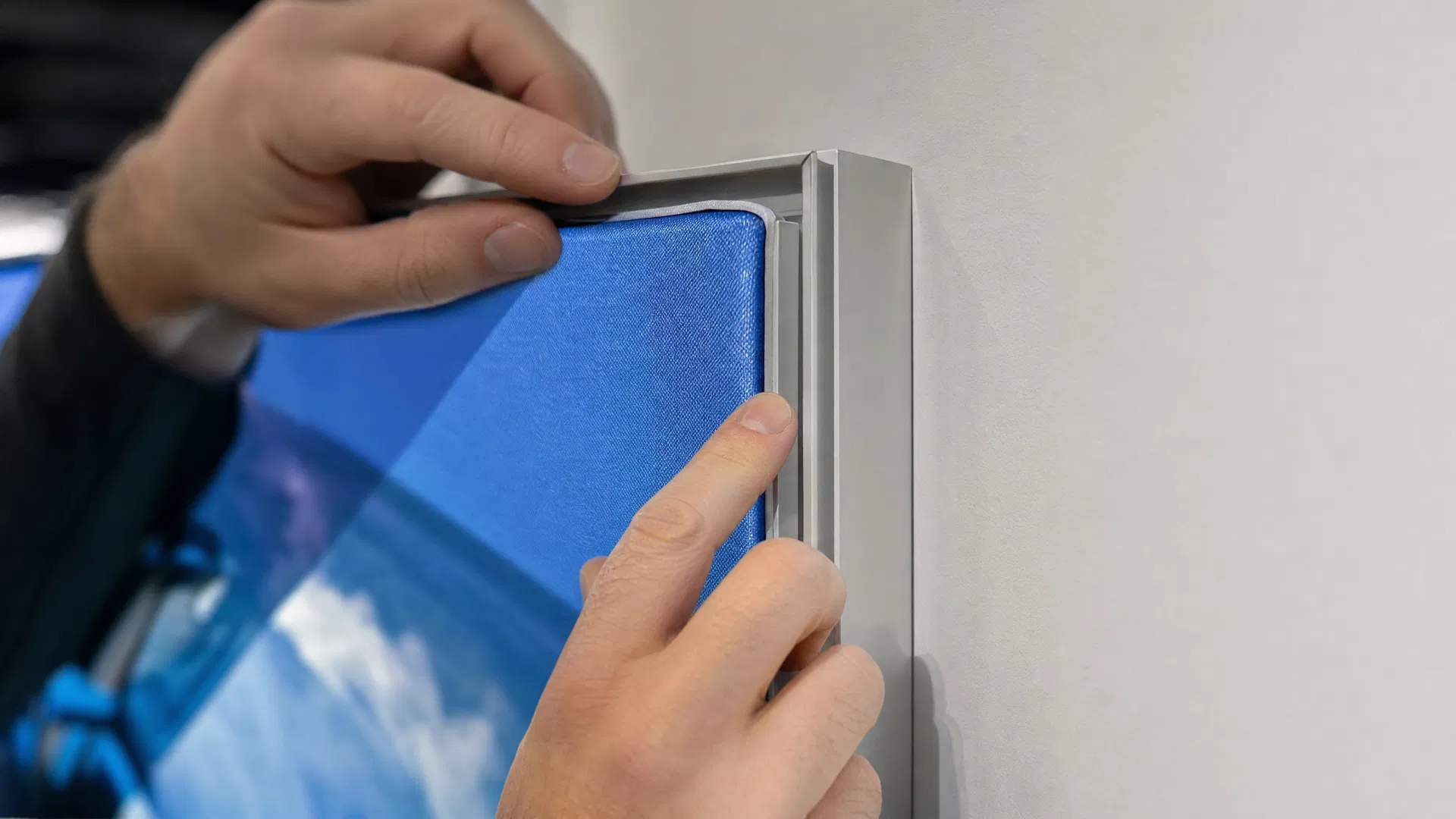
SEG graphics finished for modular aluminum, and custom aluminum extrusion frames
HP Stitch dye-sublimation production with frontlit, backlit, and blockout fabric options
Frame-fit review, silicone edge finishing, and install-ready panel sequencing handled in-house
SEG, or silicone edge graphics, are one of the most reliable ways to create clean message surfaces on modern trade show exhibits because the fabric is finished with a silicone gasket that presses directly into an aluminum extrusion channel. When that process is done correctly, the face stays taut, the corners stay crisp, and the message reads with much more discipline than loosely mounted banner material or rushed panel swaps. For exhibitors working with modular aluminum, or custom aluminum frame systems, that matters because the graphic surface is not just decoration. It is the main way the structure explains the brand, guides circulation, and supports product storytelling from the aisle. Our SEG workflow is built around that operational reality rather than treating the fabric file as a simple print order.
Inside the production process, the important decisions start before the file reaches the printer. We review the frame layout, determine whether the panel is frontlit, backlit, or blockout, and confirm how much message density the location can realistically carry. A lightbox face at the end of a 20 x 20 island has a different job than a conference backwall, a branded lobby panel, or a media backdrop. Our team accounts for seam control, viewing distance, color density, contrast under hall lighting, and the order in which each face will actually be installed onsite. That planning helps reduce common failures such as loose fit, corner ripple, tension problems, or artwork that technically prints well but becomes unreadable once it is mounted and lit on the floor.
For production, we use HP Stitch S Series dye-sublimation equipment to handle exhibit-grade fabric output up to roughly 10 feet wide in smooth runs, which makes SEG especially useful for modular backwalls, exhibit towers, hanging feature zones, branded reception areas, and event environments that need cleaner presentation without hard-panel weight. Dye sublimation gives the fabric a more integrated color result because the ink bonds into the polyester rather than sitting as a heavy surface layer. That improves hand feel, fold performance, and long-term reusability, which is especially important for exhibitors managing multi-city programs that need new messaging without rebuilding the underlying frame package every time. For double-sided applications, blockout constructions and finished edge control become just as important as color itself.
The strongest reason many clients choose SEG is not that it sounds modern. It is that it solves real show-floor problems. Fabric is lighter to handle than many rigid alternatives, easier to swap between campaigns, easier to store between shows, and more adaptable across custom rental, hybrid, and purchase programs. When the show calendar includes Orlando, Las Vegas, Chicago, Anaheim, and additional convention markets, that flexibility helps teams refresh campaigns while keeping the structural backbone consistent. We can support exhibit walls, fabric lightboxes, media backdrops, lobby displays, retail activations, and branded event environments with the same engineering-first approach. If your project needs wrinkle-controlled fabric graphics that install cleanly into aluminum systems and stay accountable to real show deadlines, SEG is often the right production path.
Want it off your plate completely?
Send us your artwork and show dates. We handle production, finishing, and delivery to the show floor so you walk into an exhibit that is already done.
Start my quoteWhat we make for you
Every item below is a real piece we print and finish in-house. Click any one to see a photo example and exactly how it helps you win attention on the floor.
How we make it easy
Click any capability to see what it means in the real world, and the headache it takes off your plate.
Show dates fill the production calendar fast.
Lock your slot now and skip the rush fees. Send your art and we'll come back with a quote and a realistic timeline, usually same day.
Get my quoteFrequently asked questions
SEG graphics are commonly used for exhibit backwalls, aluminum frame infills, fabric lightboxes, branded towers, media backdrops, and modular message panels because they create a taut surface with cleaner visual control than loosely mounted fabric.
Yes. We can finish SEG graphics for modular aluminum, and comparable custom aluminum extrusion systems as long as the frame profile and finished dimensions are confirmed before production.
Yes. Backlit SEG is one of the most common uses of the format. We also handle blockout constructions for double-sided applications where light control matters.
Yes, when the fabric is packed correctly and the messaging strategy is planned in modules. Many clients reuse the frame system and rotate only the graphic skins between shows or campaigns.
Standard schedules usually fall in the three-to-five business-day range after artwork approval, but rush and same-day production can be discussed when the file condition, finishing, and shipping method make it realistic.