
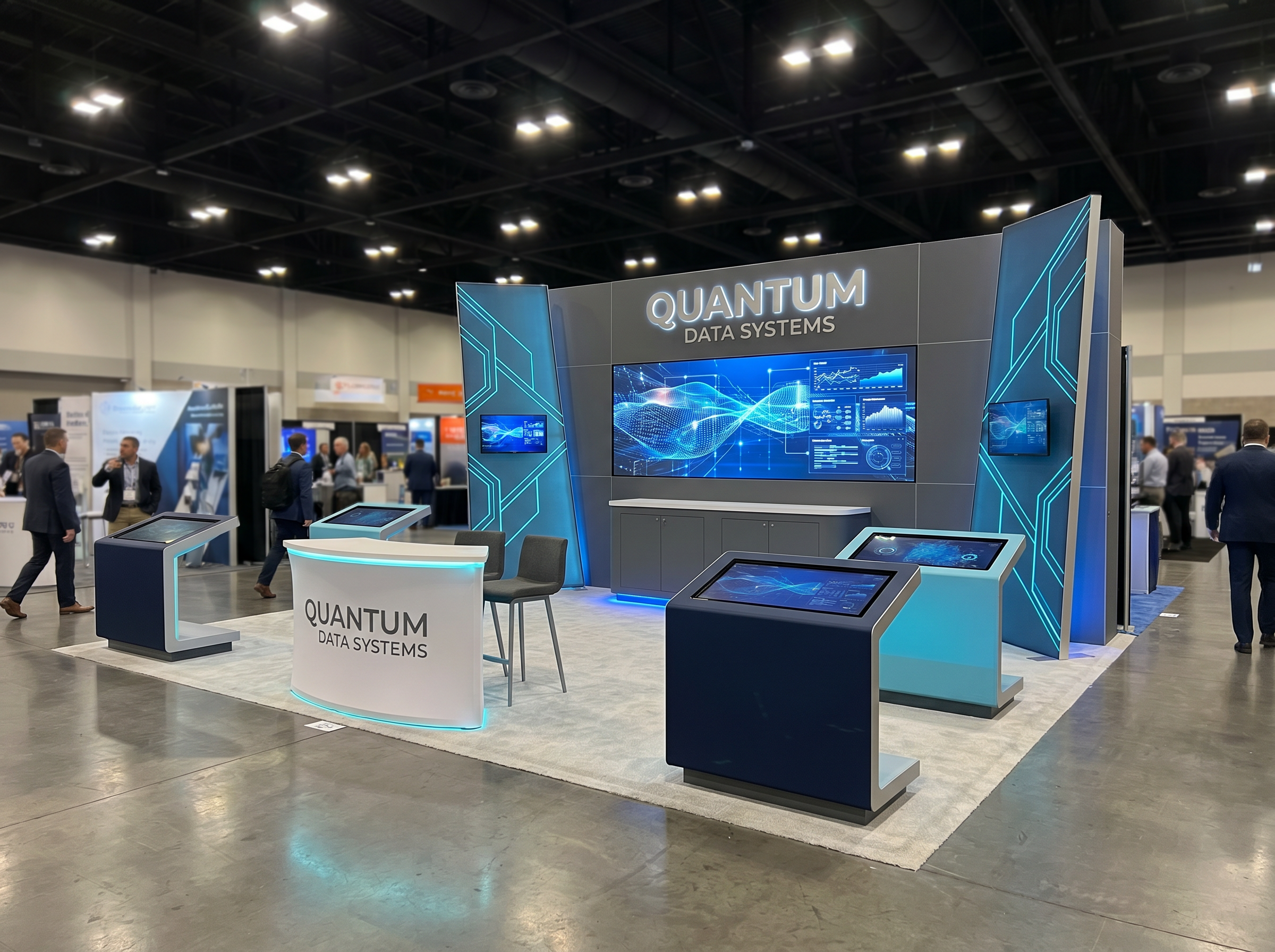
Trade Show Exhibit rental Cost
This page is built for exhibitors who need a practical answer to the cost question without being pushed into vague package language. Trade Show Exhibit rental pricing is driven by measurable scope, not by generic tier labels.
Helpful next links
- In-house executionDesign, fabrication, graphics, install & dismantle managed by one team.
- Two operations hubsOrlando & Las Vegas facilities supporting national show calendars.
- Nationwide reachExhibit programs delivered across 20+ major U.S. markets.
- Direct quote line888-633-5197
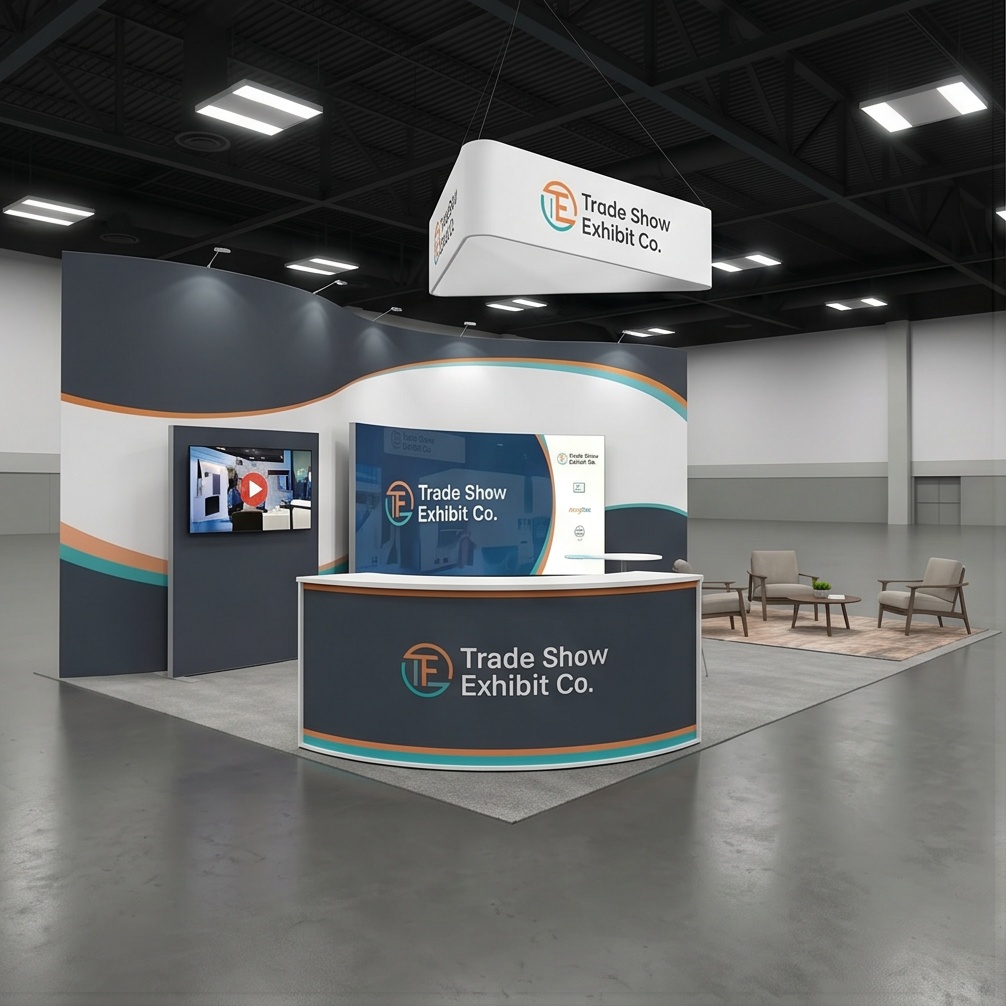
What you get with this service
- Pricing explained through square footage, frame length, graphics, LED scope, labor, freight, and reuse logic
- Useful cost guidance for inline, island, and larger custom exhibit programs
- Clearer next step into quote planning when the budget needs to be explained, not guessed
The fastest way to misunderstand exhibit pricing is to ask for a simple starting number with no context. A 10x10 inline exhibit, a 10x20 with storage and integrated graphics, and a 20x20 island with LED, counters, and multiple traffic faces are all rental programs, but they are not the same commercial problem. The real cost drivers are square footage, frame length, graphic coverage, backlit versus non-backlit surfaces, LED tile count, crate count, labor hours, freight handling, installation sequence, dismantle planning, and whether components need to be reused after the event. That is why Trade Show Exhibit Rentals frames pricing in engineering language instead of relying on a broad package claim that hides where the number is actually coming from.
A smaller footprint can still become expensive when the program asks a compact inline exhibit to do too many jobs at once. Extra counters, monitor support, denser printing, enclosed storage, specialty flooring, or a high-pressure install window can change the cost profile quickly even before the footprint grows. On the other hand, a larger exhibit is not automatically the wrong decision if the event requires stronger traffic capture, more product display capacity, multiple conversation zones, or a clearer separation between presentation and meeting functions. The useful pricing conversation is not only about how large the exhibit is. It is about what the exhibit has to accomplish on the floor and which structural and graphic choices make that possible without pushing unnecessary cost into the program.
Graphics and media often shift the price more than buyers expect. Large SEG panels, double-sided lightboxes, branded counters, integrated monitor moments, and LED walls can change fabrication logic, electrical planning, crate count, and installation time at the same time. Freight and labor then build on those decisions. An exhibit with more illuminated or media-rich surfaces is not only a higher design choice; it can also be a more demanding shipping and labor choice. That is why cost planning works better when design, graphics, logistics, and show-week execution stay in one conversation instead of being split across separate vendors. It allows buyers to see where the budget is supporting real exhibit performance and where the scope can be simplified if the project needs to stay tighter.
Venue rules also matter. General-contractor line-of-sight restrictions, hanging-sign policies, aisle exposure, electrical requirements, labor windows, target move-in schedules, and marshaling procedures can all affect what looks economical in a rendering versus what stays economical once the exhibit reaches the floor. Cities such as Las Vegas, Orlando, Chicago, Atlanta, Dallas, Houston, and Nashville each put different pressure on labor timing and logistics decisions. That is one reason why an exhibit that worked well in one venue may need a different pricing approach in the next. Trade Show Exhibit rental cost is shaped by the full operating environment, not just by the visual design alone.
For buyers comparing rental against purchase, the smarter question is whether the exhibit should behave like a one-event asset, a reusable modular platform, or a mixed strategy where some elements remain in inventory and others are refreshed by show. Rentals make sense when flexibility matters and the calendar is still evolving. Partial ownership can make sense when the event cadence is high enough to justify storage, graphic refreshes, and recurring deployment. The right answer depends on how often the exhibit will travel, how much of the structure should remain stable, and whether future events will reuse the same frame logic. This page is meant to make that cost discussion easier to evaluate before a quote hardens.
Not sure yet?
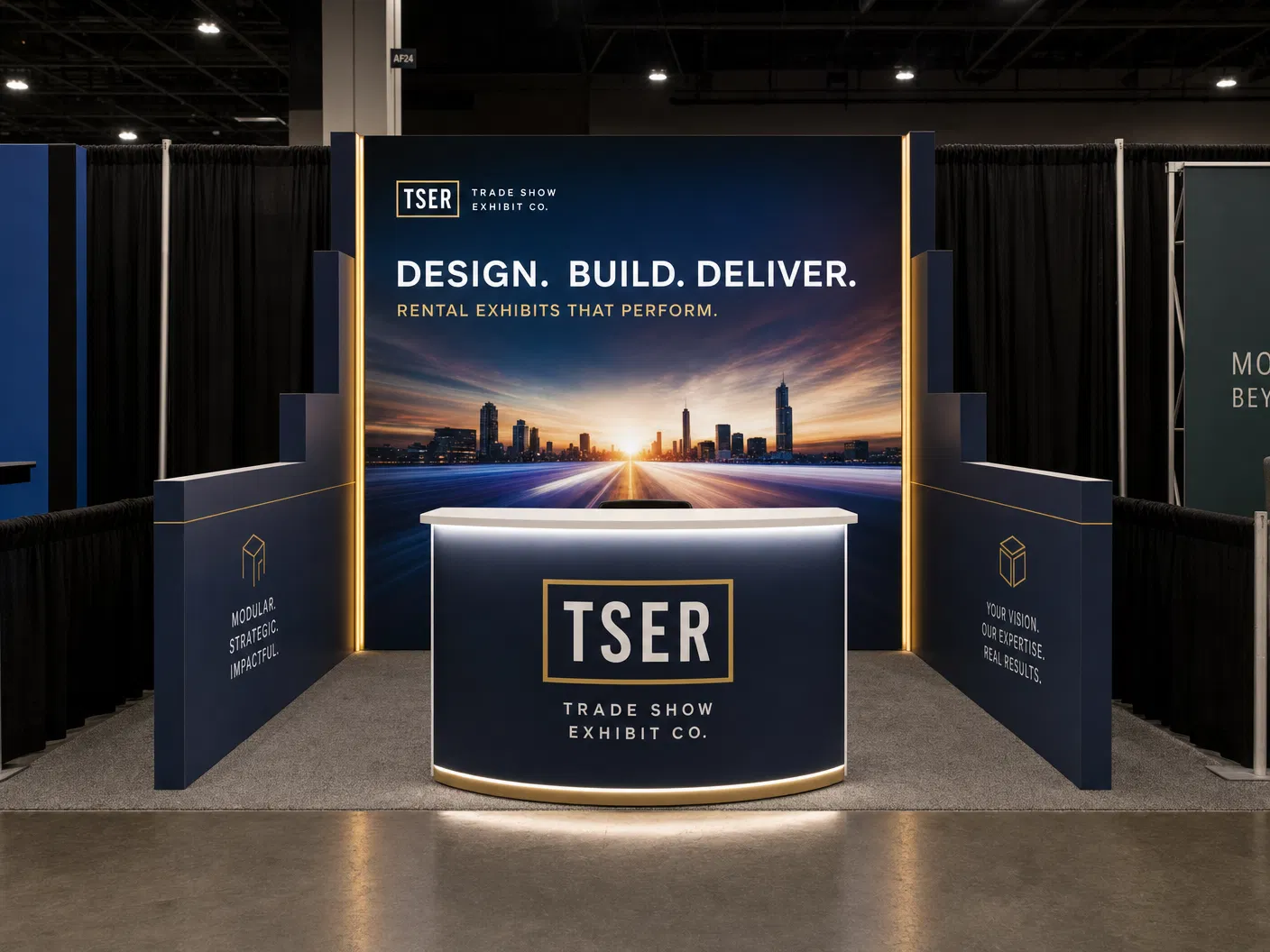
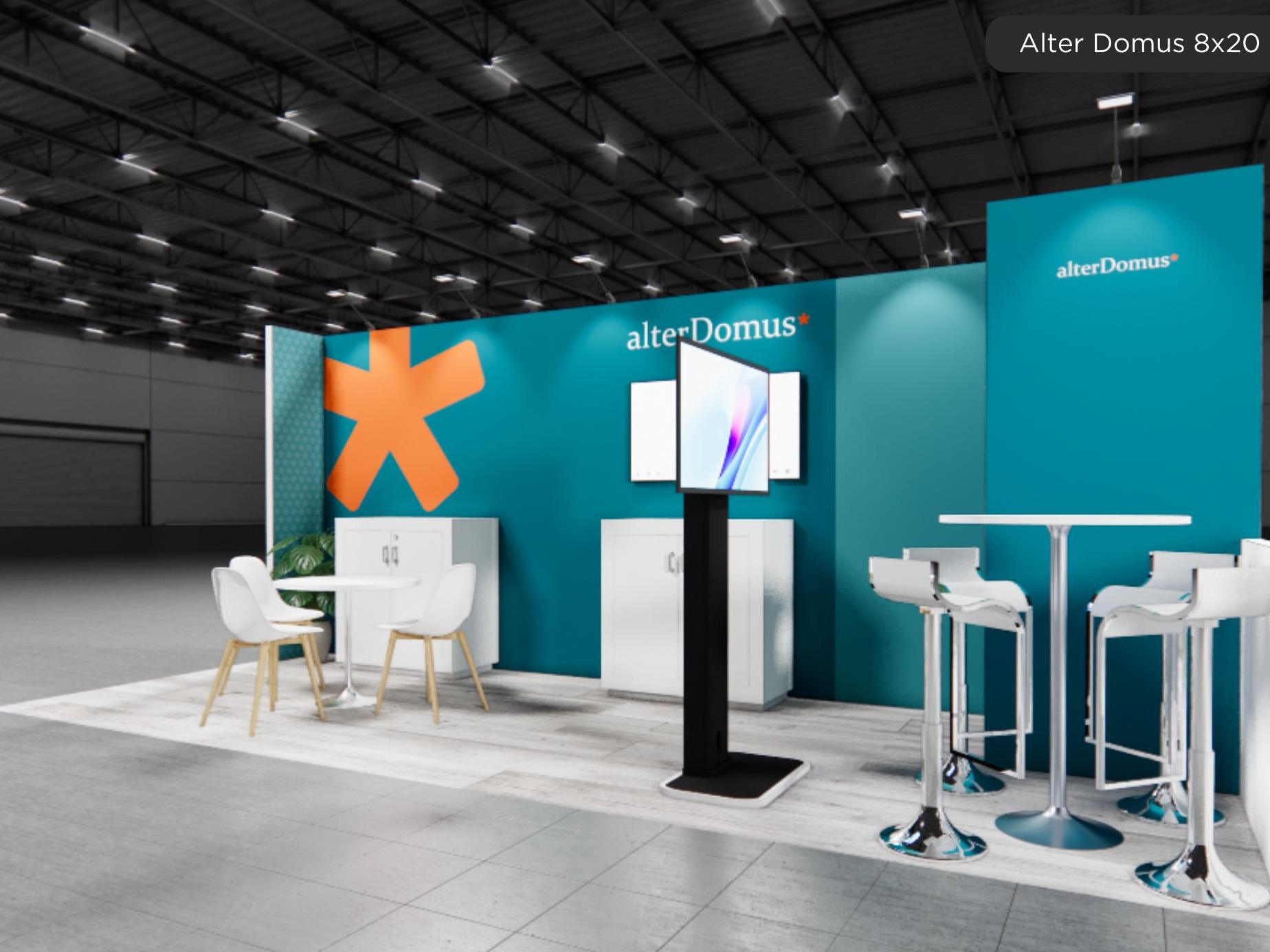
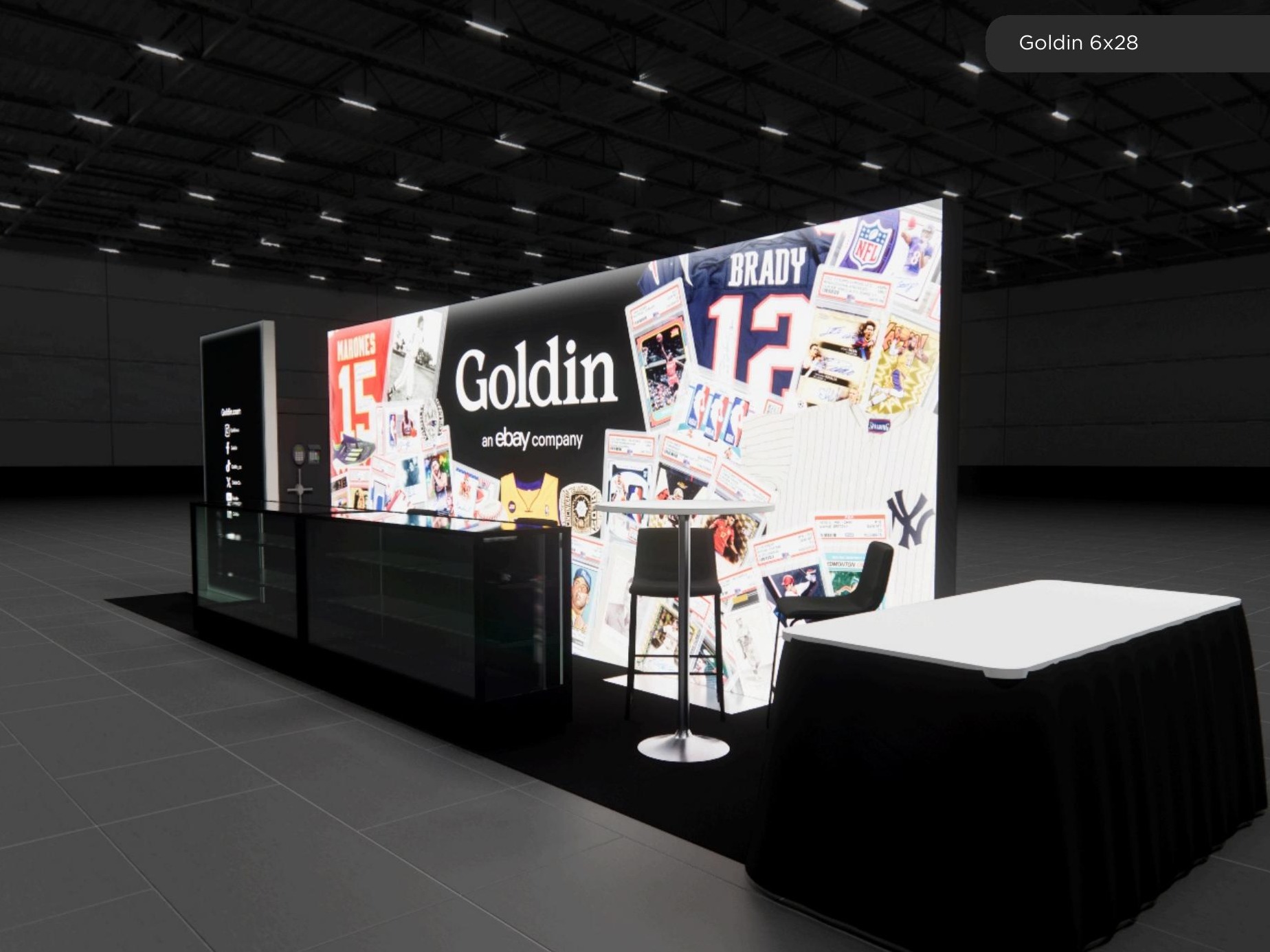
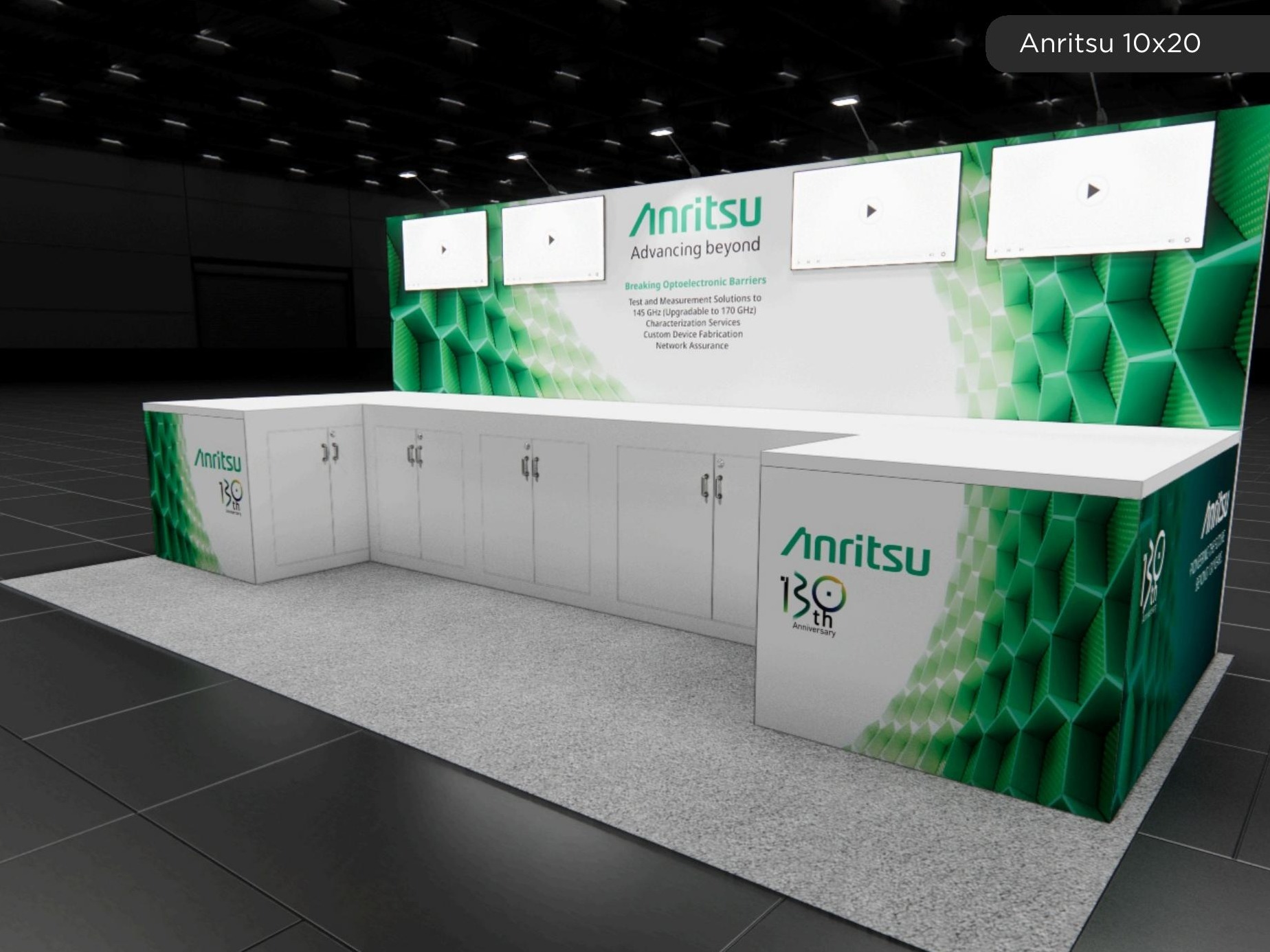
Browse a few exhibits to picture it — then we will price it.
Already know your size? Jump straight to a quote. Still shaping the idea? Take a look at a few exhibits below, and we will help you land on the right one for your show and budget.
Why exhibitors hand this to us
Walk the aisle knowing your exhibit is handled.
Most exhibitors lose nights chasing three or four vendors who each blame the other when something slips. We put design, graphics, freight, install, dismantle, and storage under one team and one phone number — so you show up to a finished exhibit and spend the show selling, not firefighting.
More qualified conversations
An exhibit that pulls the right buyers in and gives your team room to close — the reason you booked the show in the first place.
One team, one accountable number
No vendor finger-pointing. Design, print, freight, and labor stay aligned so nothing falls through the cracks on the floor.
Hours back on your calendar
We handle the scope, the drawings, and the logistics. You approve and go — instead of project-managing five suppliers.
No show-floor surprises
Clear scope, clear pricing, and a crew that has run these venues before. What you approve is what stands on the floor.
Show dates do not move — freight and labor windows fill up. The earlier we lock your design and production slot, the more options you keep and the less you pay in rush fees. Start the conversation now while the calendar is still open.