
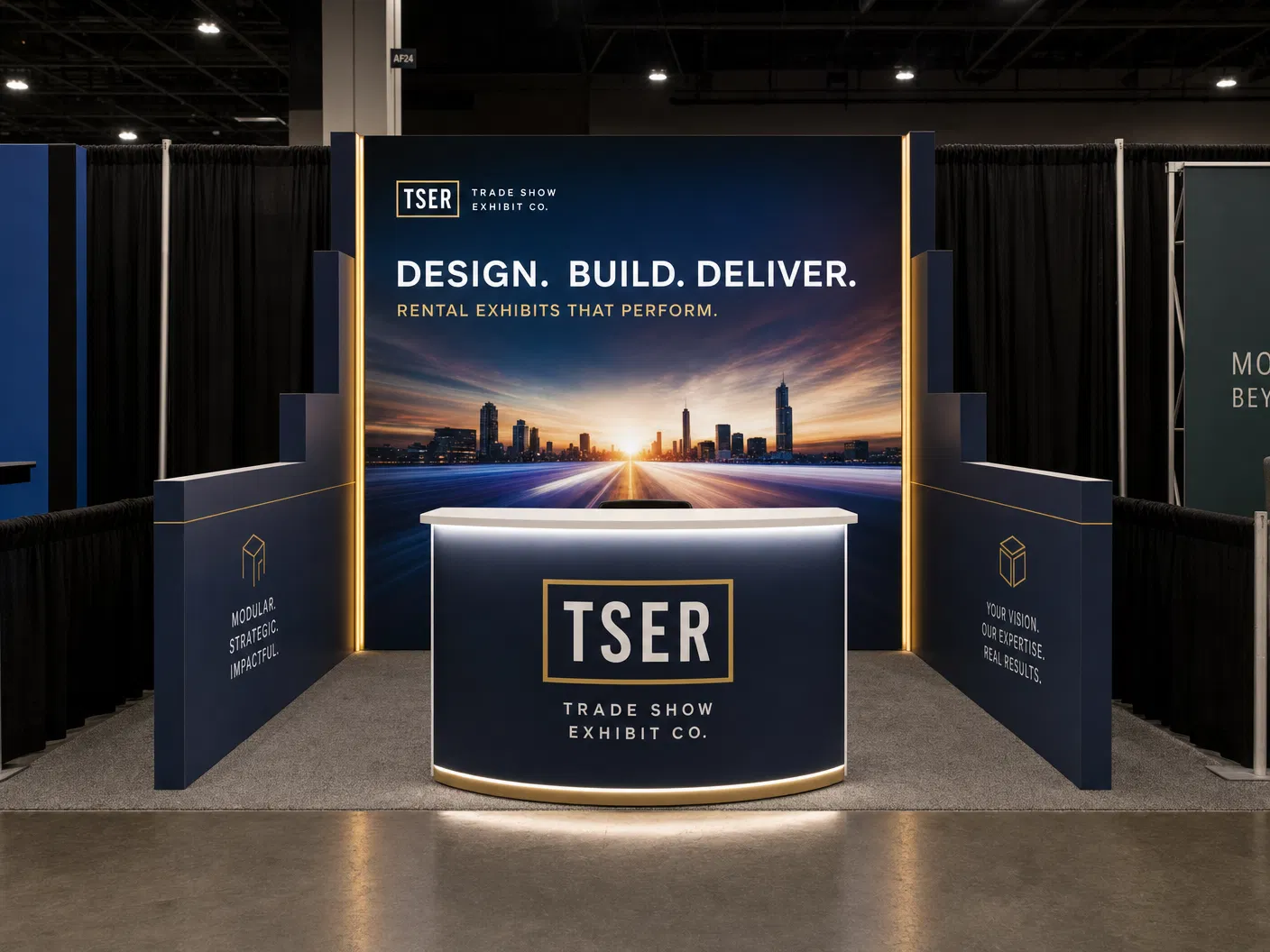
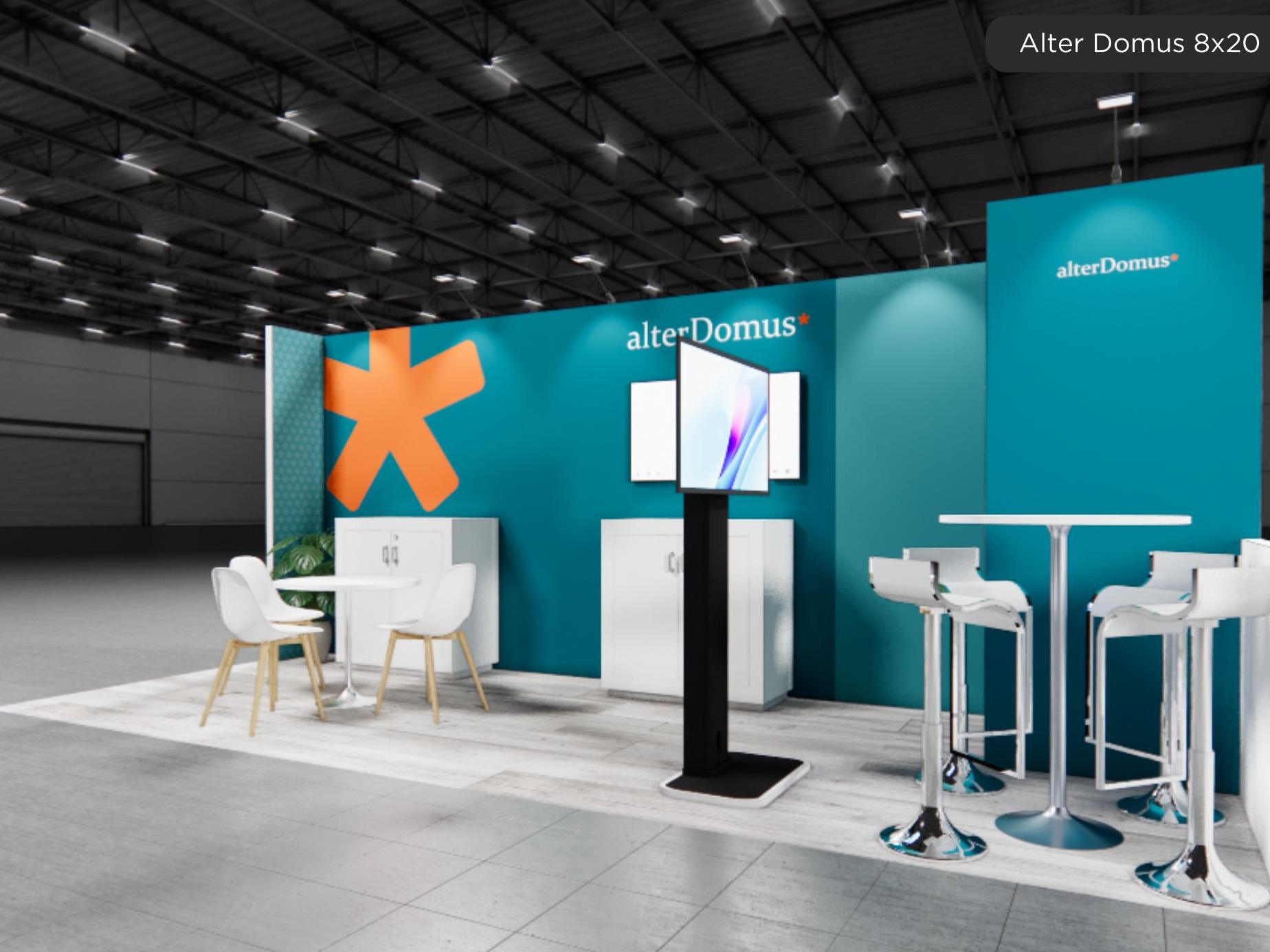
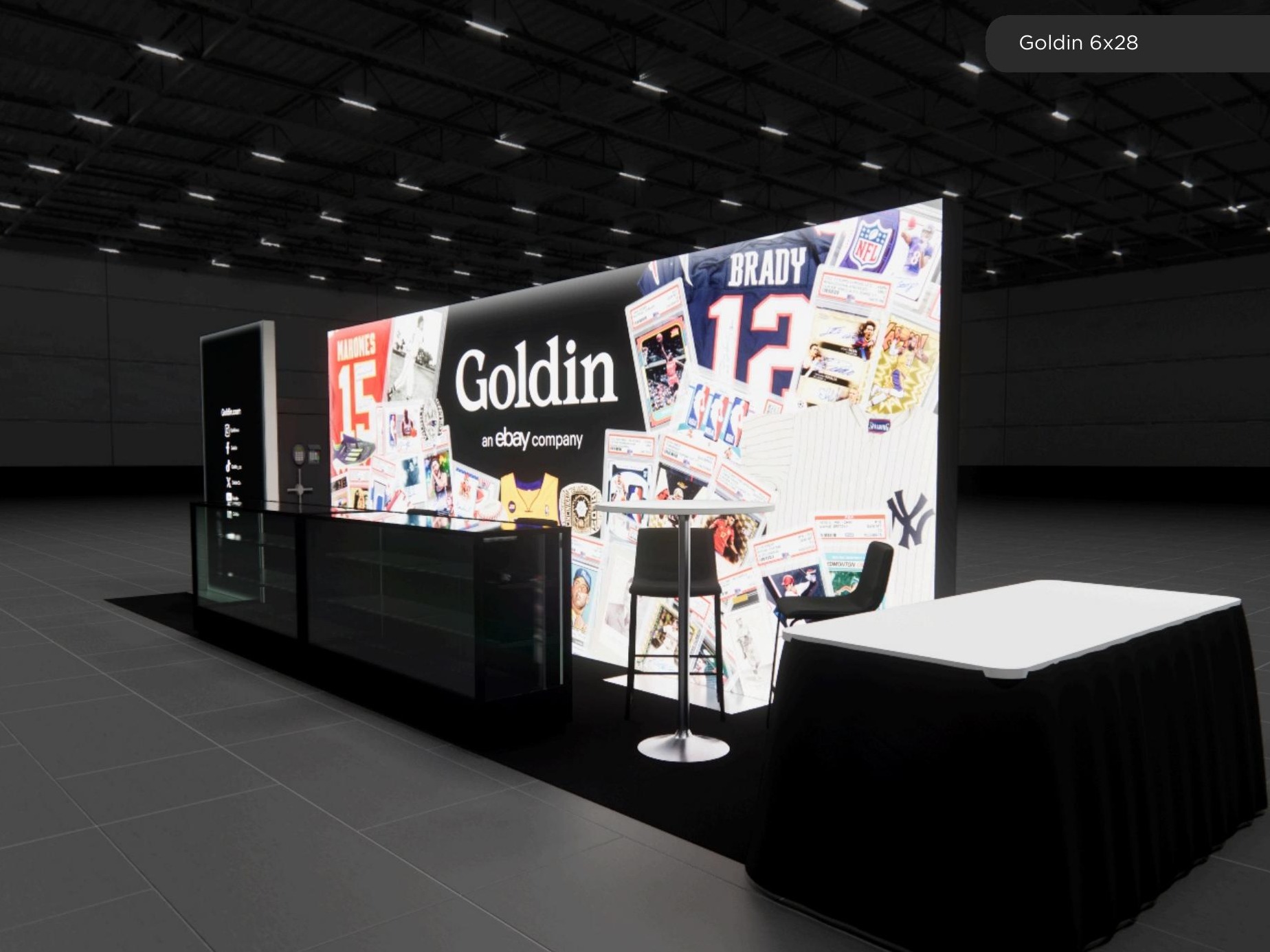
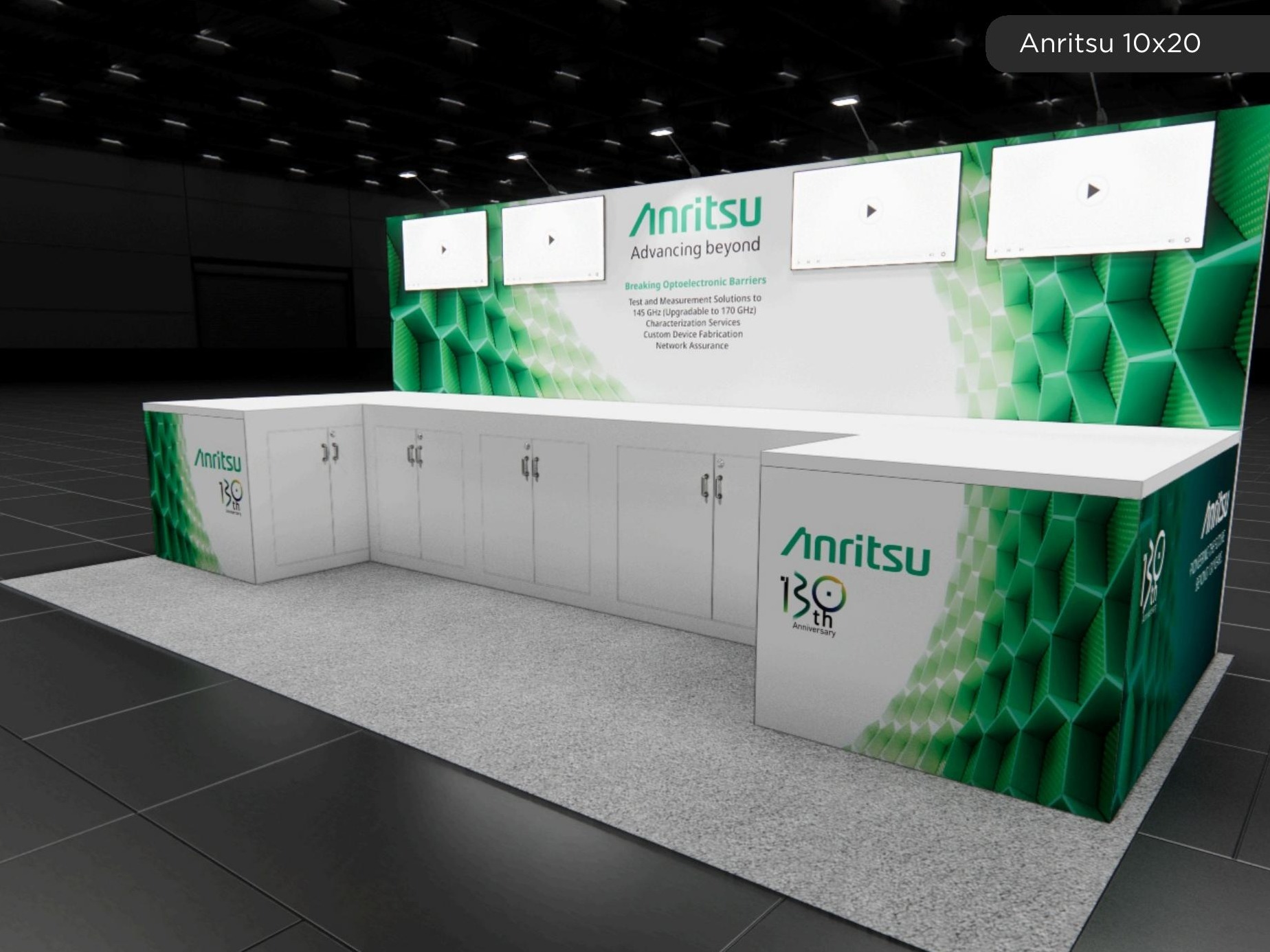
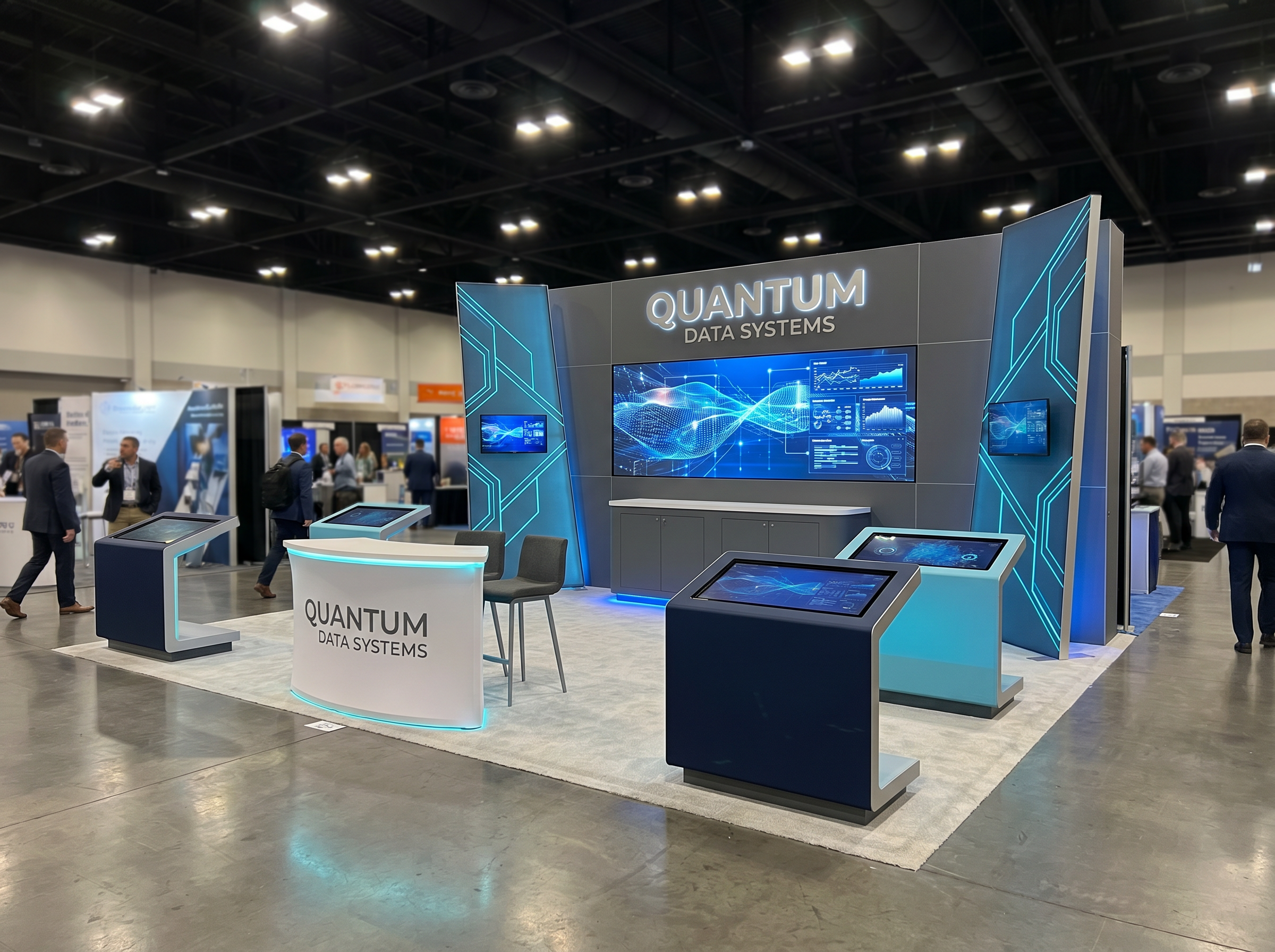
Scale control
The exhibit is sized for aisle read and hall context, not just for rendering impact.
LVCC programs need more than an attractive rendering. They need an exhibit plan that respects the scale of the campus, the pace of move-in, and the line-of-sight and labor conditions that can reshape scope quickly once production starts.
Venue
Las Vegas Convention Center
Facility size
4.6 million square feet
Exhibit space
About 2.5 million square feet
Meeting rooms
225 rooms

Engineered footprint
Fit the design to the aisle condition, sightline limits, and program objective.
Modular systems
Use a modular aluminum frame intelligently instead of treating every exhibit like a one-off scenic build.
Venue execution
Plan for venue labor, material handling, graphics, and dismantle before the show arrives.
The Las Vegas Convention Center is one of the biggest and most operationally demanding exhibit environments in North America. The official venue listing describes a 4.6 million-square-foot facility with approximately 2.5 million square feet of exhibit space, 225 meeting rooms totaling more than 390,000 square feet, and large registration zones in West Hall and Central Hall. That scale matters because exhibit planning at LVCC has to account for more than aesthetics. It has to account for how the structure will read across a very large floor, how traffic approaches the exhibit, and how the program will survive the timing pressures of move-in and dismantle.
Our LVCC exhibit approach stays systems-first. We plan around modular engineered aluminum frameworks so frame length, graphic span, LED application, counters, and crate count remain measurable early. That helps buyers compare whether the exhibit should stay lighter and faster or whether the event justifies more architecture, media, and meeting support. The larger the venue, the easier it is to overbuild or to bury the brand in visual noise. We use structure and message hierarchy to keep the exhibit legible from real aisle distances instead of relying on decorative density.
LVCC also punishes late operational decisions. general-contractor line-of-sight rules, freight timing, labor windows, electrical needs, and the relationship between hall placement and exhibit exposure all affect what is smart to build. A tower, LED wall, hanging sign, or enclosed room that looks fine in concept can become less sensible if it complicates compliance or show-week sequencing. That is why our pricing and design conversations stay grounded in engineering terms such as frame length, LED tile count, labor hours, and crate planning instead of vague package language.
For exhibitors working LVCC calendars such as CES, NAB Show, World of Concrete, and other major programs, the useful objective is not simply to have a bigger exhibit. It is to have an exhibit that can hold attention, support the sales motion, and get through the venue cleanly. This page is built for that kind of practical LVCC planning conversation.
Engineering scope
Scale control
The exhibit is sized for aisle read and hall context, not just for rendering impact.
Frame logic
modular aluminum components keep structure measurable across reuse and shipping decisions.
LED scope
Media surfaces are reviewed against tile count, power, and whether the event actually benefits from them.
Field execution
Labor hours, crating, and access sequencing are priced as part of the design logic.
Venue reality
Common questions
Get a quote
Use this form to define footprint, event schedule, venue constraints, graphics, labor, and the modular system path that best fits the Las Vegas program.
Keep exploring
Jump straight to the right exhibit, city page, trade-show guide, or start a quote with our team.