
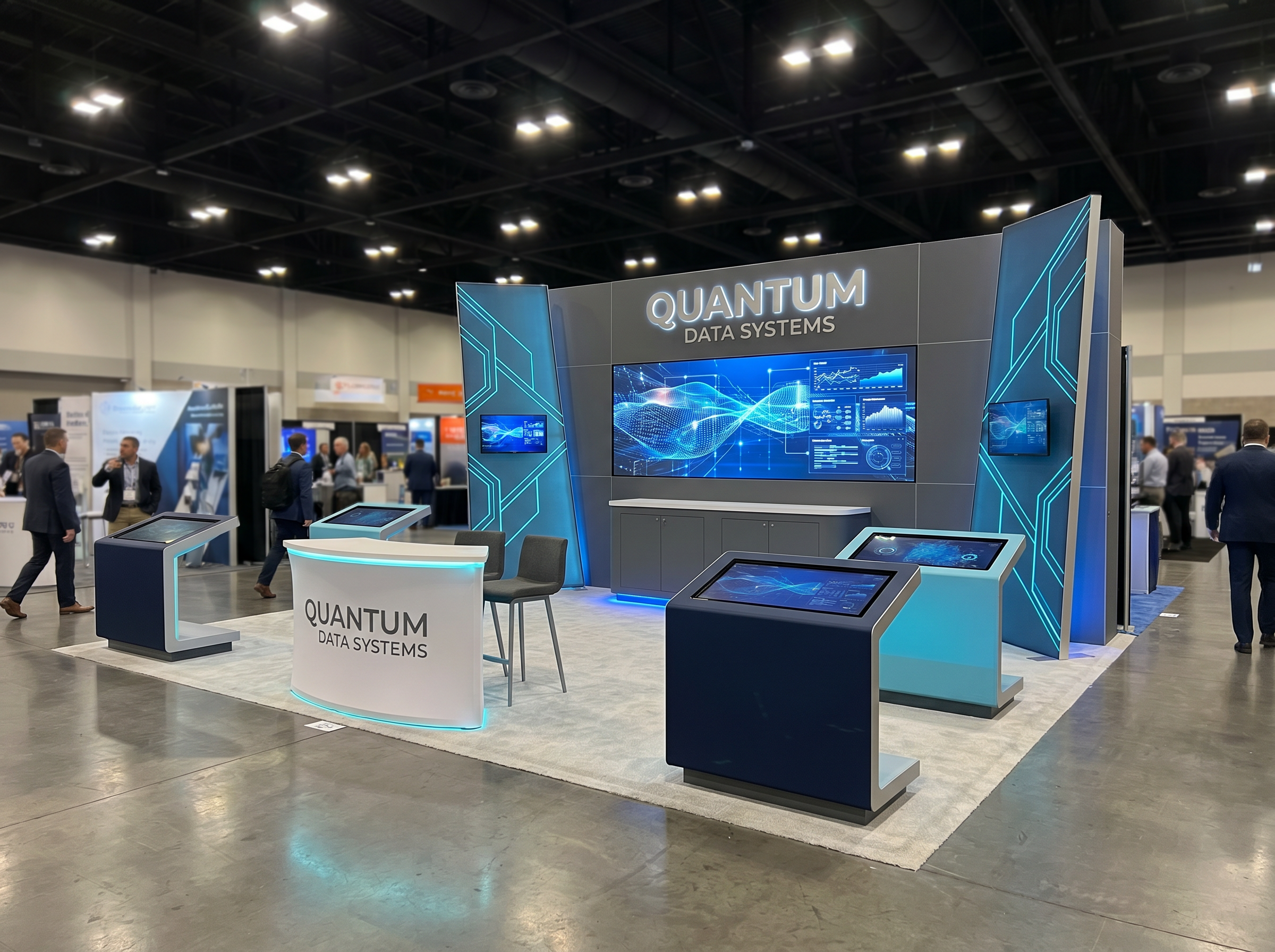
Custom Exhibit design
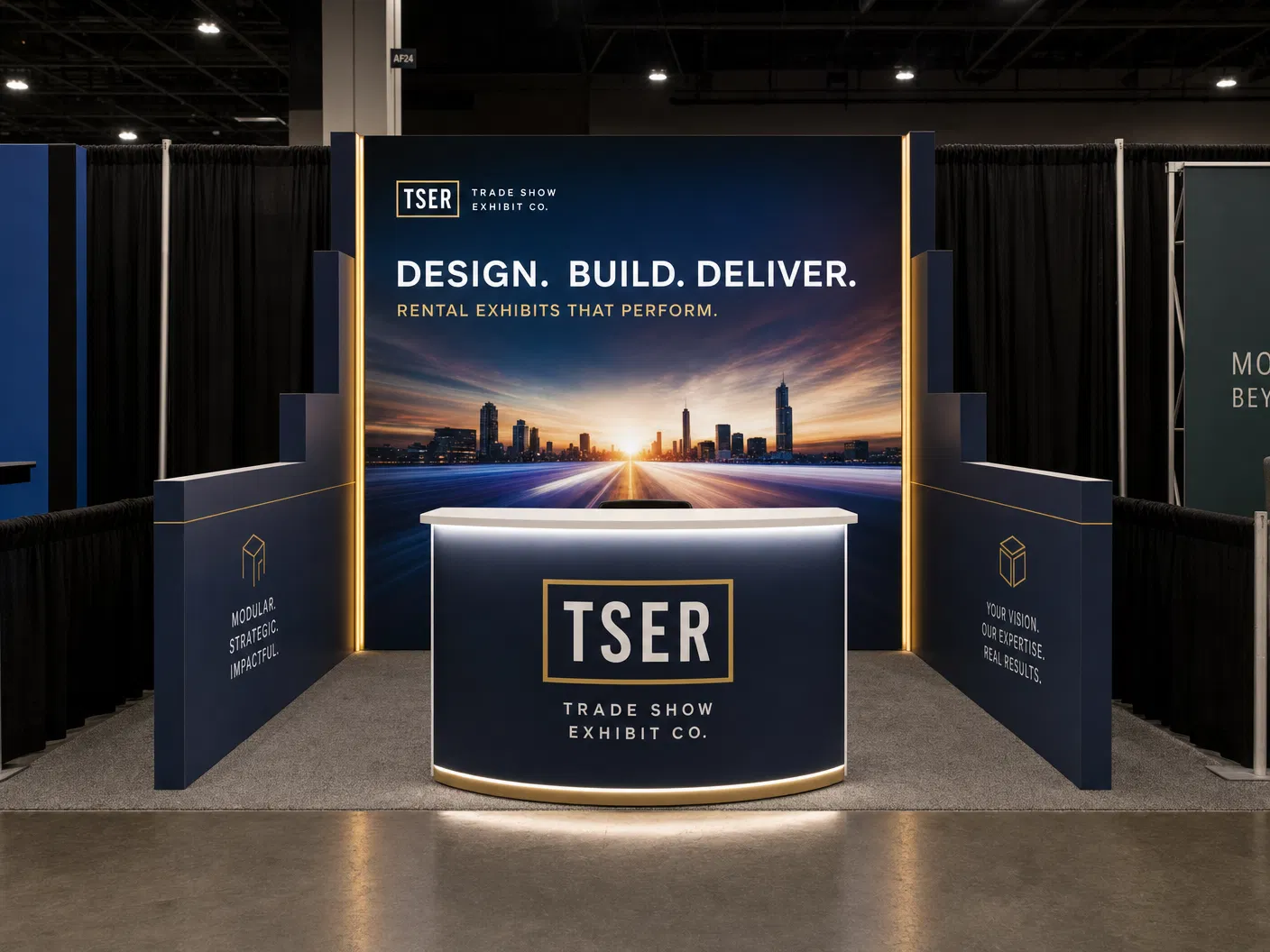
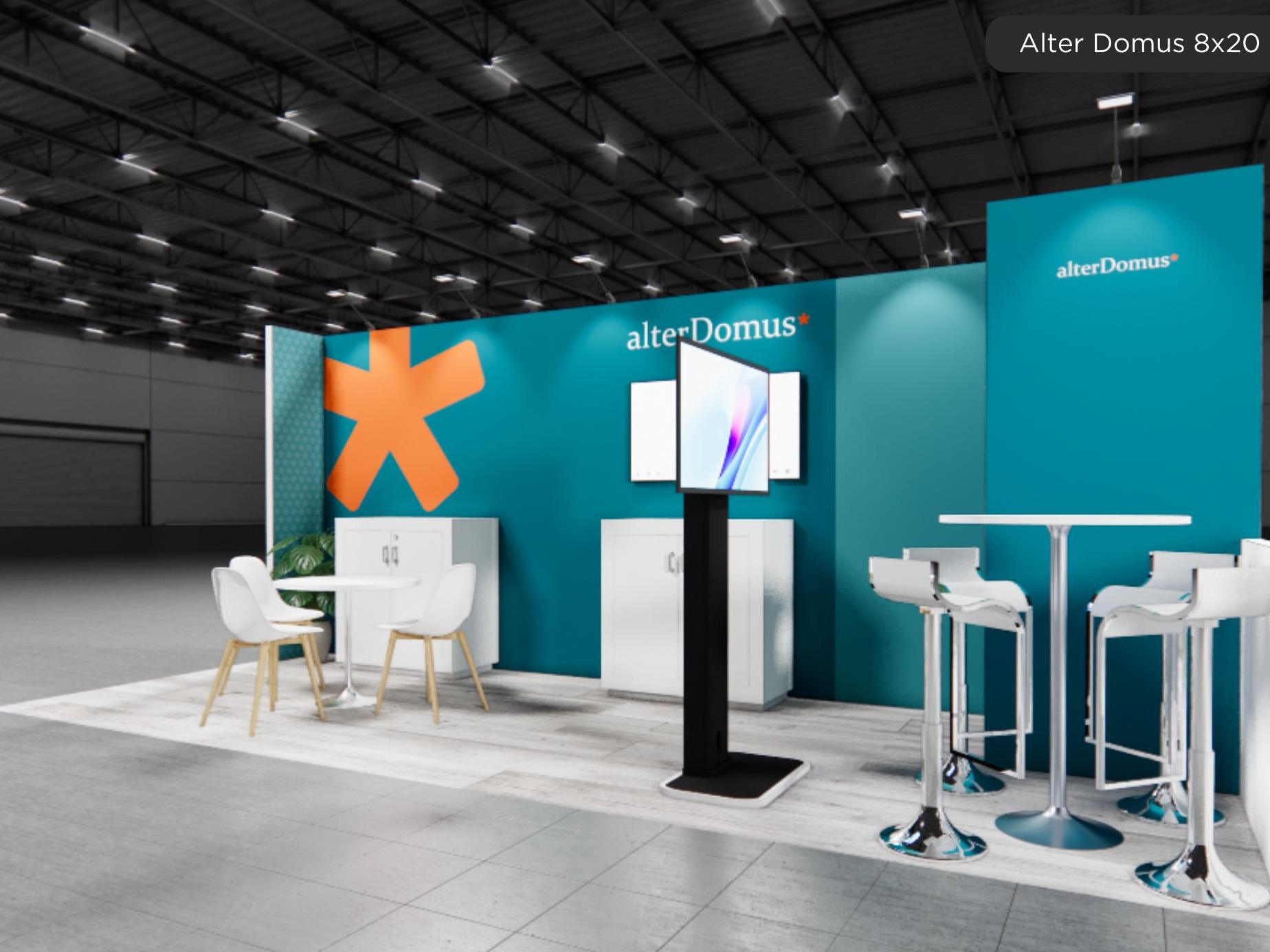
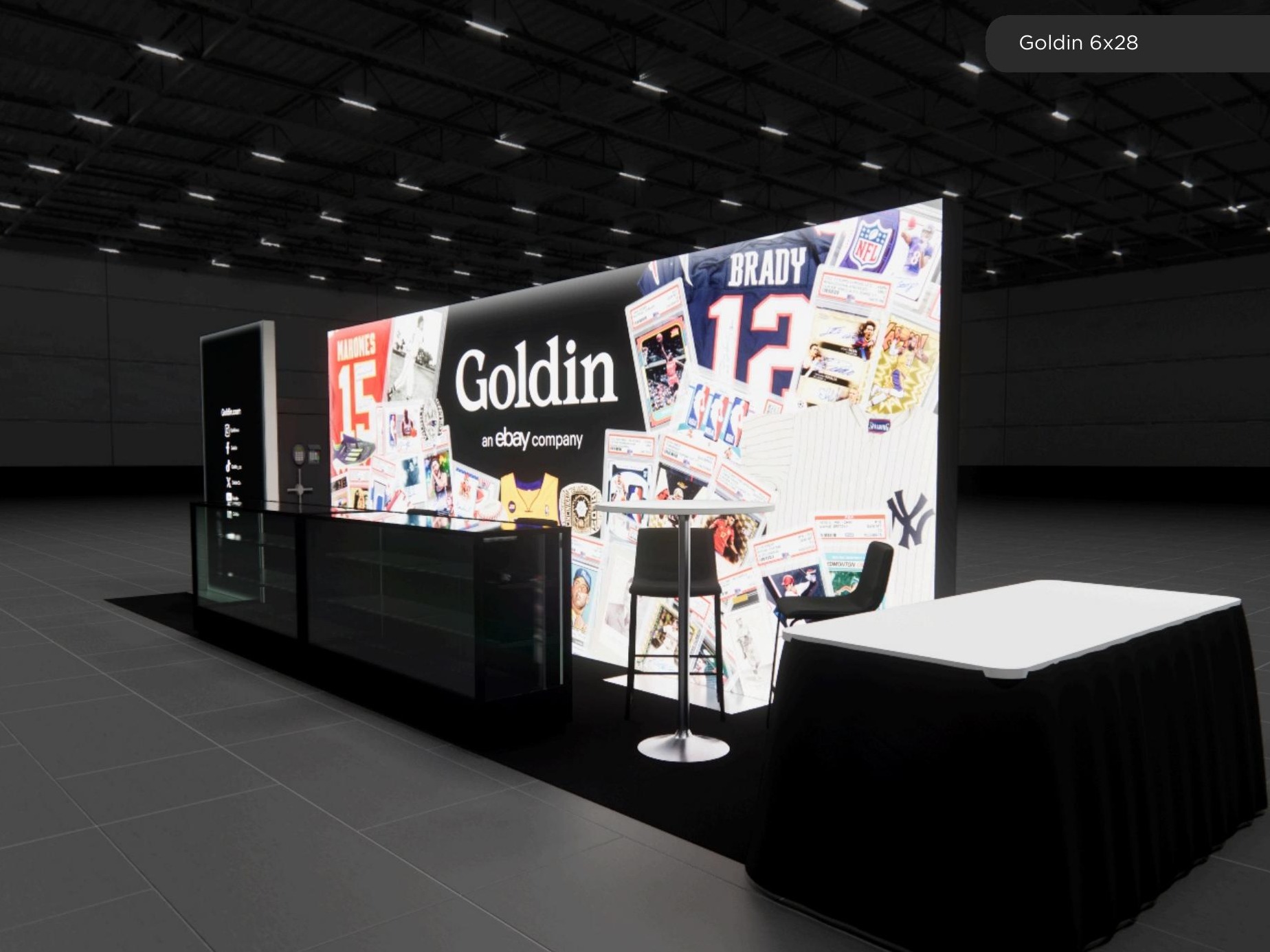
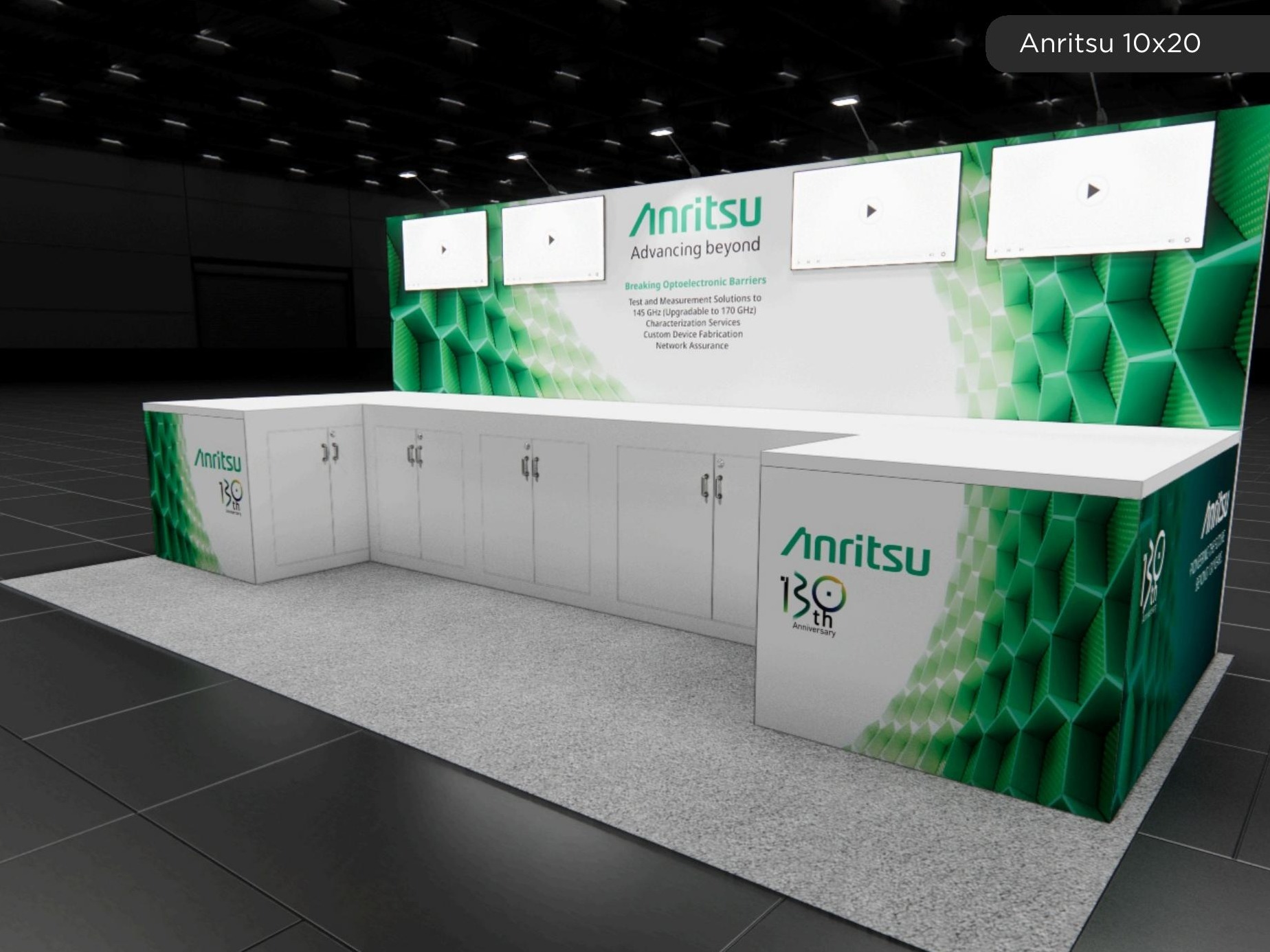
Exhibit design should solve for traffic flow, selling pressure, line-of-sight limits, and fabrication logic before anyone falls in love with a rendering.
Helpful next links
- In-house executionDesign, fabrication, graphics, install & dismantle managed by one team.
- Two operations hubsOrlando & Las Vegas facilities supporting national show calendars.
- Nationwide reachExhibit programs delivered across 20+ major U.S. markets.
- Direct quote line888-633-5197

What you get with this service
- Layout planning tied to attendee flow, staffing, and product storytelling
- modular aluminum system thinking before pricing is finalized
- Venue-aware design that respects line-of-sight, labor, and install constraints
Our exhibit design service starts with the operational realities of the show rather than surface styling alone. We look at the footprint, staff count, product mix, meeting requirements, and expected aisle pressure so the layout works on a live show floor. That approach matters because a 10 x 10 inline exhibit, a 20 x 20 island, and a larger multi-city event program do not fail for the same reasons. Inline layouts need disciplined messaging, clean storage planning, and a clear stop point for visitors. Larger island environments need stronger circulation planning, better demo zoning, and better control over what the structure blocks or reveals. By grounding those decisions in modular aluminum system logic early, we can connect frame length, graphic coverage, counters, and media surfaces to something measurable before pricing hardens.
That systems-first planning is especially valuable when a brand is preparing for major venues such as the Las Vegas Convention Center, the Orange County Convention Center, McCormick Place, or the Georgia World Congress Center. Each venue exposes weak design assumptions differently. General-contractor line-of-sight rules, labor timing, hanging-sign constraints, and aisle density all affect what should be built and what should be simplified. Our design process accounts for those conditions before final artwork and fabrication decisions are released, which reduces the usual late-stage cycle where a dramatic design gets watered down after costs, logistics, or venue rules catch up with it. The result is a design direction that still feels branded and considered, but behaves like an exhibit program that can actually survive setup, show hours, and dismantle without avoidable rework.
For exhibitors comparing rental, purchase, and hybrid strategies, design is also the clearest place to understand cost drivers in practical terms. Instead of talking vaguely about an exhibit feeling more premium, we can relate scope to graphic square footage, frame complexity, LED tile count, storage needs, crate count, and labor hours. That clarity helps buyers decide whether money should go into a stronger backwall, a more usable meeting zone, better product presentation, or a simplified modular direction that can travel to a second city. It also helps internal teams align marketing expectations with procurement and operations. When the design phase is handled with engineering discipline, the exhibit looks better because the execution plan is already built into the design rather than added afterward.
Brands working across Orlando, Las Vegas, Anaheim, Dallas, and Chicago also benefit from the reuse logic embedded in the design process. A modular aluminum backbone can be scaled, refreshed, and adapted across multiple events without forcing the team to start from zero each time. That is why our design service is not just about a single show image. It is about building a show-floor system that can carry a broader event calendar with fewer surprises, clearer scope, and a better match between presentation quality and operational reality. If your team needs an exhibit design that can be quoted, built, and executed cleanly, design is where that discipline has to begin.
Not sure yet?
Browse a few exhibits to picture it — then we will price it.
Already know your size? Jump straight to a quote. Still shaping the idea? Take a look at a few exhibits below, and we will help you land on the right one for your show and budget.
Why exhibitors hand this to us
Walk the aisle knowing your exhibit is handled.
Most exhibitors lose nights chasing three or four vendors who each blame the other when something slips. We put design, graphics, freight, install, dismantle, and storage under one team and one phone number — so you show up to a finished exhibit and spend the show selling, not firefighting.
More qualified conversations
An exhibit that pulls the right buyers in and gives your team room to close — the reason you booked the show in the first place.
One team, one accountable number
No vendor finger-pointing. Design, print, freight, and labor stay aligned so nothing falls through the cracks on the floor.
Hours back on your calendar
We handle the scope, the drawings, and the logistics. You approve and go — instead of project-managing five suppliers.
No show-floor surprises
Clear scope, clear pricing, and a crew that has run these venues before. What you approve is what stands on the floor.
Show dates do not move — freight and labor windows fill up. The earlier we lock your design and production slot, the more options you keep and the less you pay in rush fees. Start the conversation now while the calendar is still open.
FAQ
Custom Exhibit design questions buyers ask before they request a quote
What is included in custom exhibit design?
Custom Exhibit design is handled as part of a connected exhibit program that can include design coordination, engineering review, graphics, production planning, logistics, installation, dismantle, and quote support depending on the project scope.
Can custom exhibit design support custom and modular exhibit programs?
Yes. We use engineered modular aluminum systems when they fit the project, and we scale the service around the footprint, event objective, graphics load, and reuse plan instead of forcing one exhibit approach on every exhibitor.
How is pricing discussed for custom exhibit design?
We frame scope in practical engineering terms such as footprint, frame length, graphic coverage, LED count, crate count, labor hours, and timeline pressure so buyers can see what is driving cost and where the plan can be simplified if needed.
Do you support major convention markets with custom exhibit design?
Yes. The service pages are built for exhibitors showing in high-volume markets such as Orlando, Las Vegas, Chicago, Atlanta, Houston, Dallas, and New Orleans where venue rules, labor timing, and freight handling can materially affect the exhibit plan.
Can this service be combined with installation, dismantle, graphics, and storage?
Yes. The service model keeps design, fabrication, graphics, freight, installation, dismantle, and storage aligned under one team so the exhibit does not get split across disconnected vendors.
What is the best next step if I need custom exhibit design for an upcoming show?
Start with the quote form and share the event city, venue, show date, footprint, and the level of support you need. From there we can connect the service scope to the right exhibit size, custom direction, or event-specific planning page.