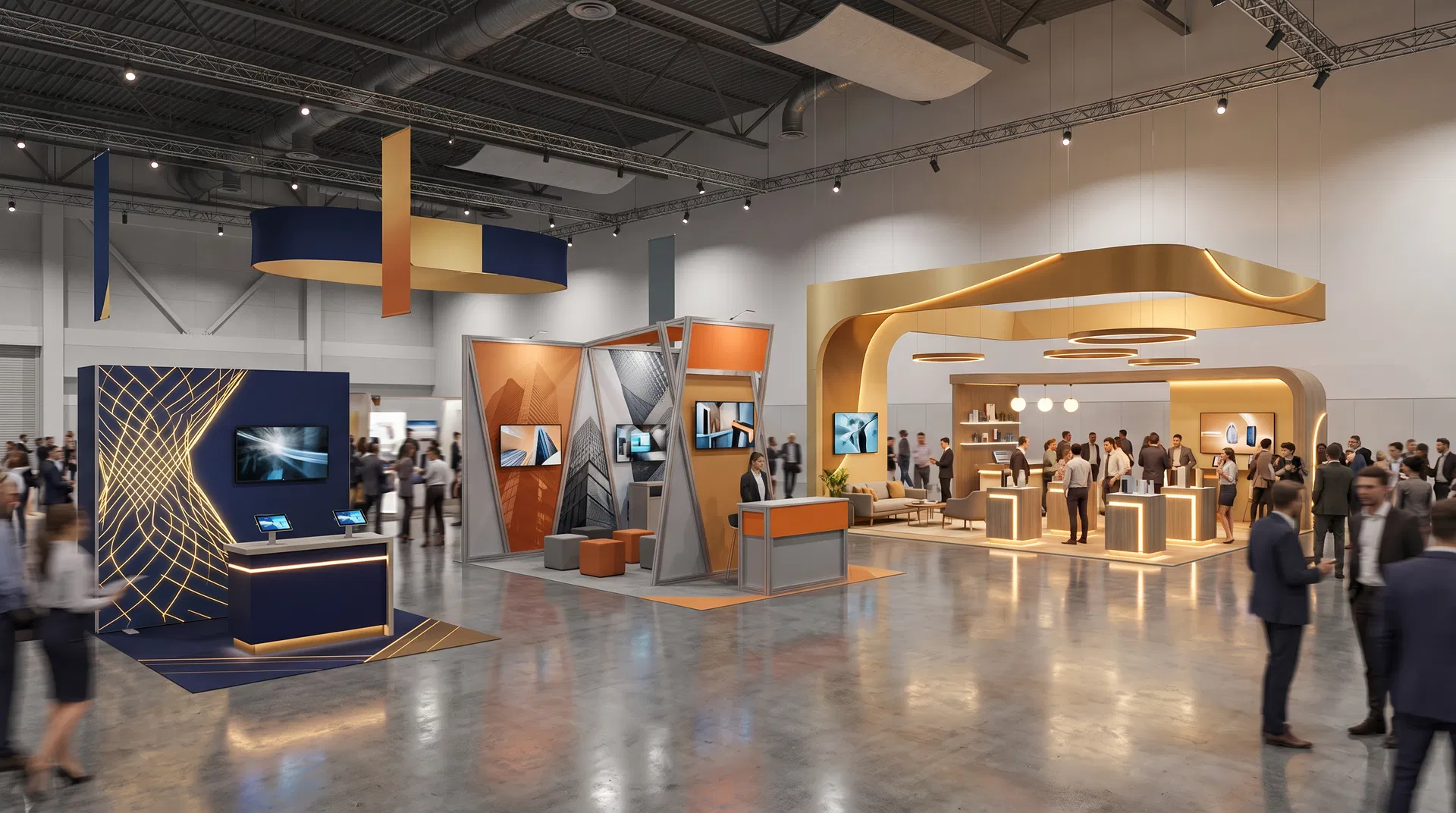
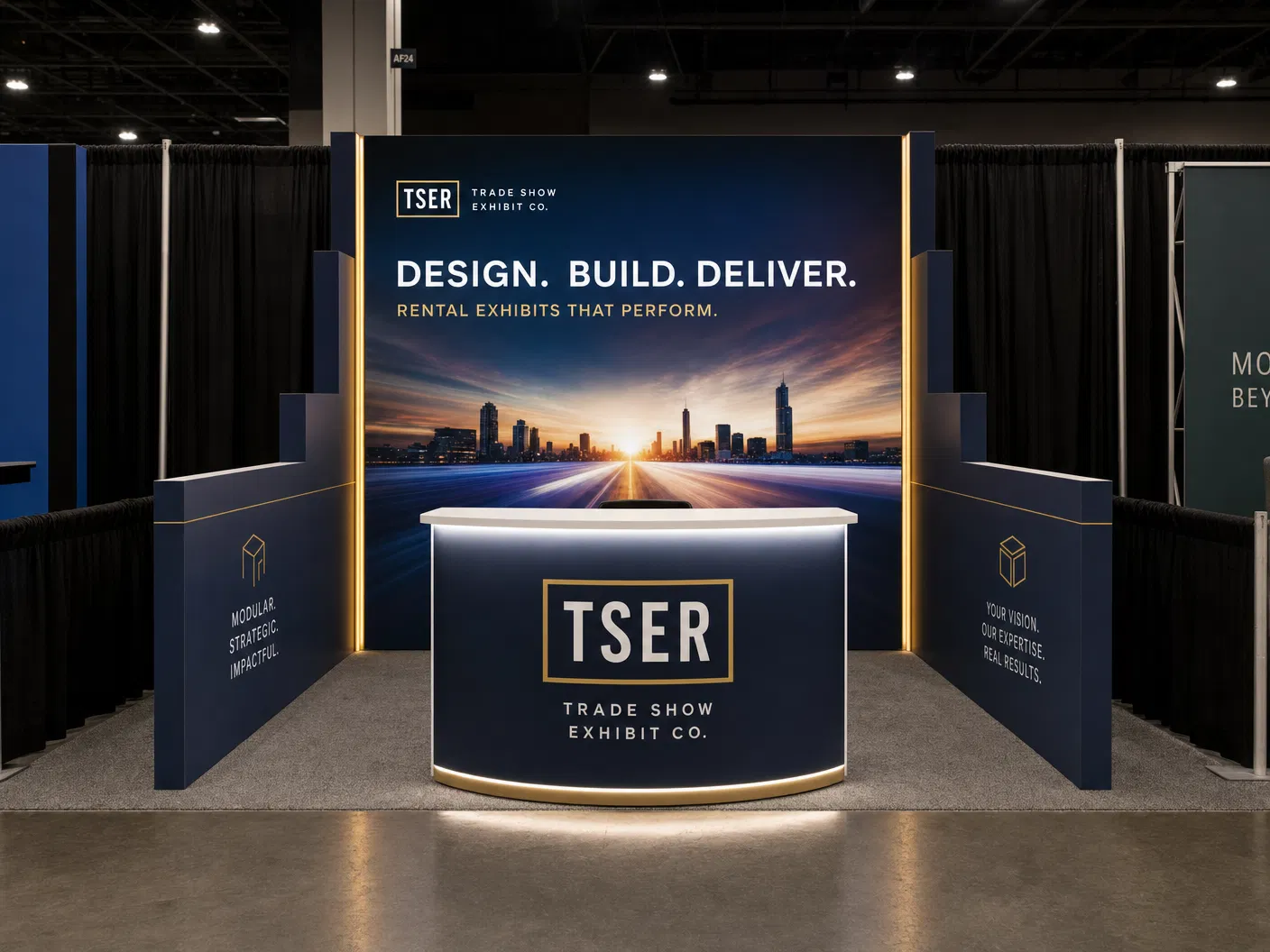
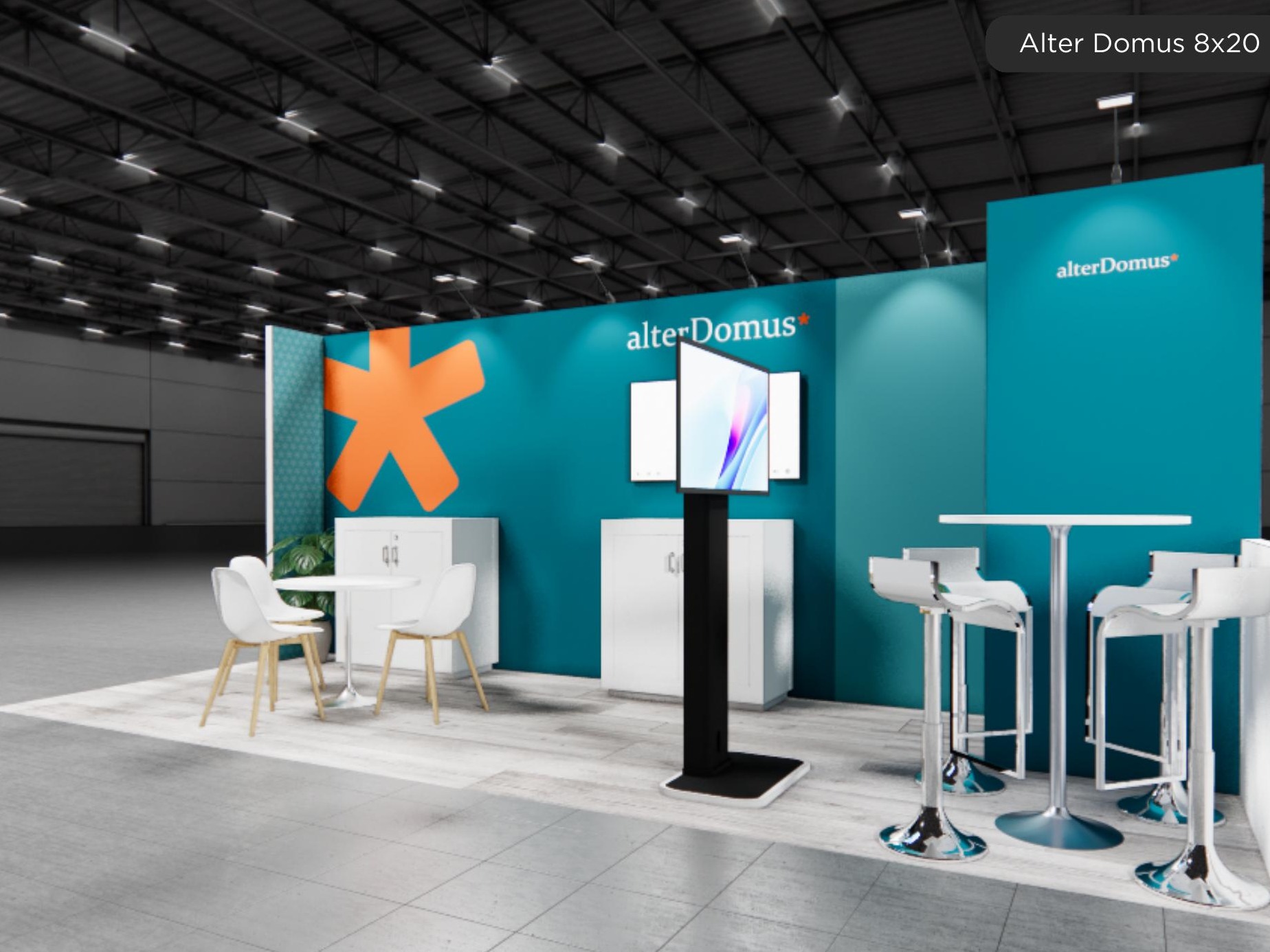
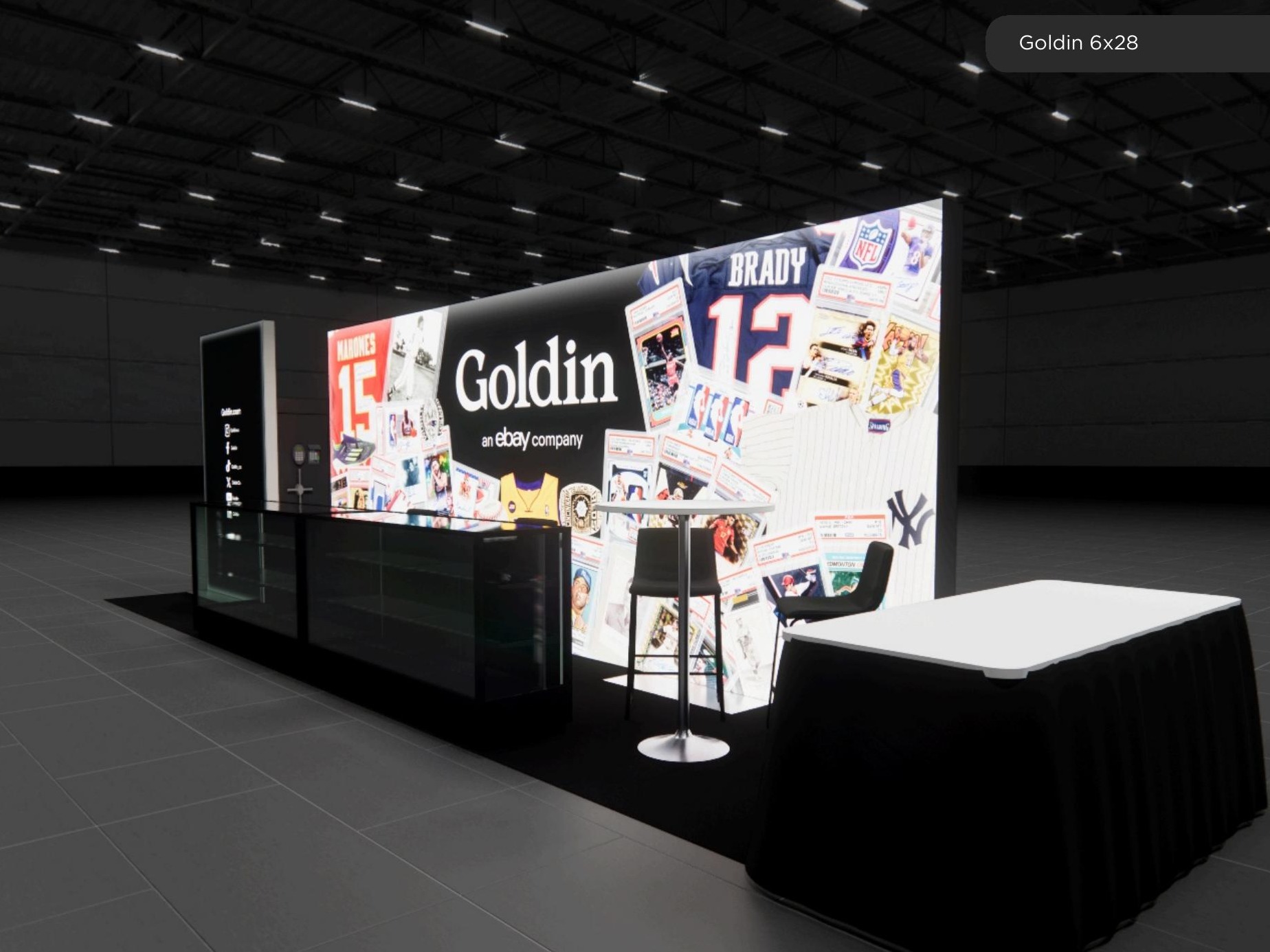
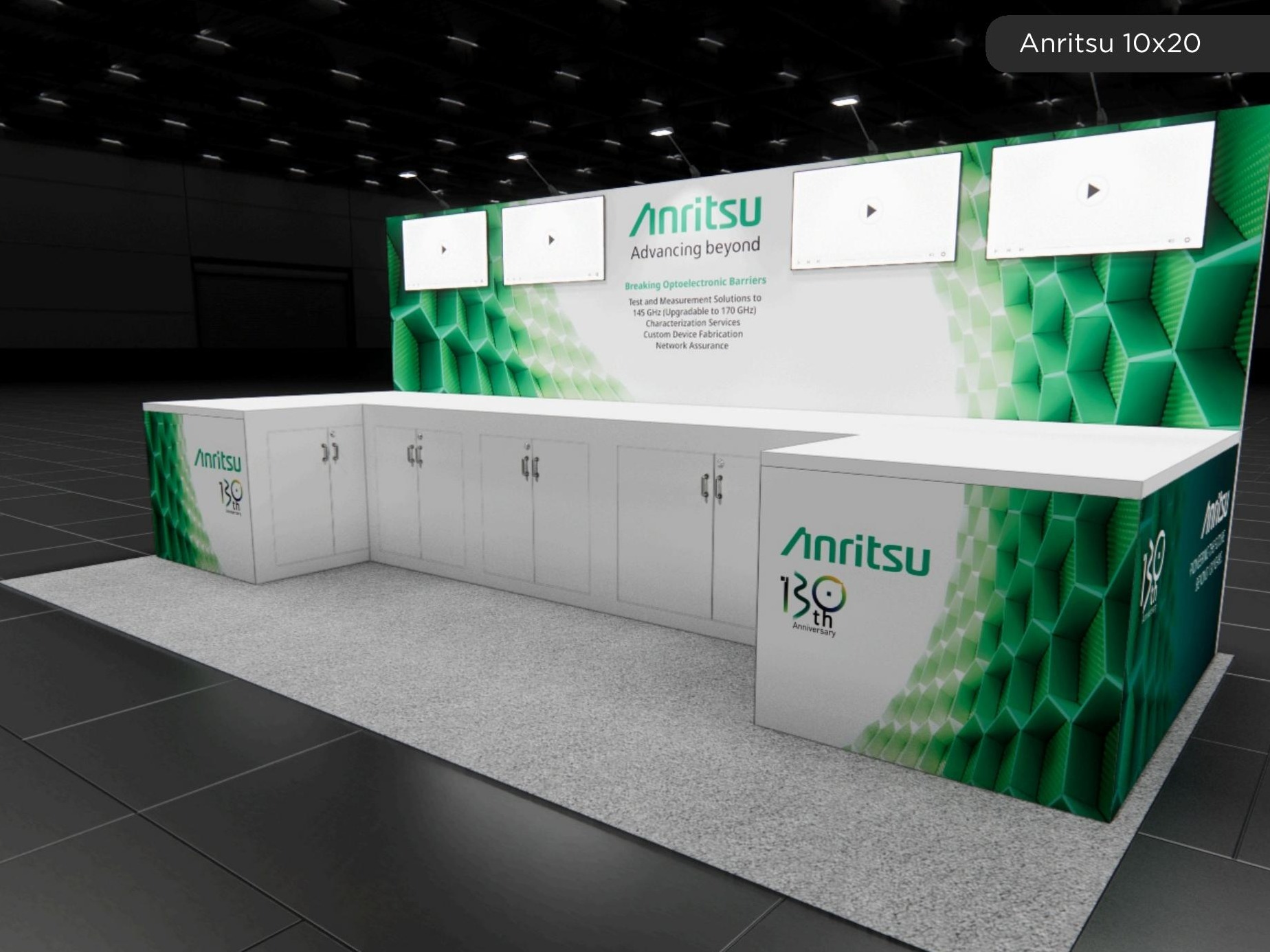

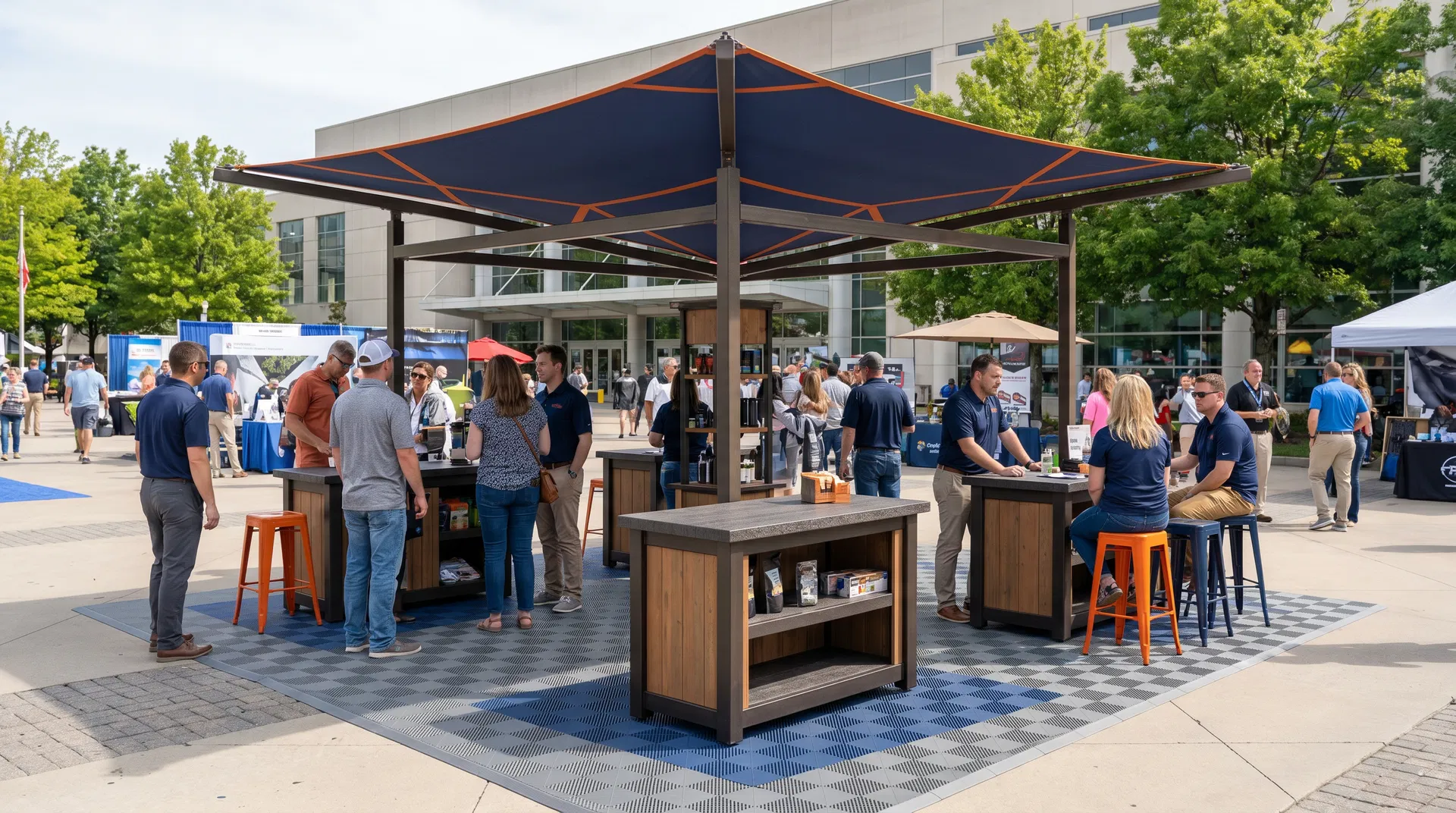
Esta imagen ilustra un diseño práctico de stand para ferias comerciales en exteriores, construido con marcos modulares de aluminio de ingeniería. Destaca la importancia de la sombra, la orientación rápida y una visibilidad de marca fuerte a distancia.
- Las ideas sólidas para stands de feria comercial en exteriores comienzan con la conversación real de ventas que el equipo espera tener en el piso de exhibición.
- Los stands para exteriores más confiables para ferias comerciales se basan en una jerarquía disciplinada del mensaje, un recurso focal contundente y un plano que respete cómo los asistentes realmente se aproximan al stand.
- Cada diseño debe respetar la geometría real del stand.
- Las buenas ideas solo tienen valor si sobreviven la cotización y la ejecución durante la semana de la feria.
Por qué las ideas para stands al aire libre en ferias comerciales deben coincidir con el objetivo real de la feria
Strong outdoor trade show exhibit ideas starts with the real sales conversation the team expects to have on the floor. Outdoor attendees react differently because climate, noise, and dwell time all shape how long they remain available for a conversation changes what the exhibit must do. Some programs need clean lead capture and product education. Others need private meetings, live demos, or hospitality. When the exhibit design is chosen before the objective is clear, the result usually looks busy, costs more than it should, and still fails to guide traffic in a useful way.
The better approach is to treat the exhibit as a working environment instead of a decorative backdrop. In practice, that means deciding how much of the outdoor activation footprint has to be reserved for product story, how much must remain open for circulation, and how the brand should be recognized from the aisle. Once those decisions are made, the creative direction gets sharper and the program becomes easier to budget honestly.
Direcciones de ideas que funcionan mejor que un estilo de stand genérico
The most reliable exhibits for outdoor trade show exhibit ideas rely on a disciplined message hierarchy, one strong focal move, and a floor plan that respects how attendees actually approach the exhibit. Shade, quick orientation, strong branded visibility from distance, and simple demo or hospitality moves that stay usable in real conditions usually performs better than trying to show every possible capability in one footprint. Buyers read clarity as competence. That is especially true when the exhibit has to compete against louder neighbors on the same aisle.
Desde una perspectiva de sistemas, los marcos de aluminio de diseño modular facilitan la construcción de esas ideas sin caer en desperdicios de construcción únicos. El marco puede seguir siendo racional mientras que los gráficos, la iluminación, los mostradores, los medios y las exhibiciones de productos crean personalidad. Esa combinación es importante porque los expositores quieren el impacto visual de una construcción personalizada con la confiabilidad y la lógica de reutilización de un programaa modular.
Cómo las reglas de huella y línea de visión dan forma al diseño
Every design has to respect the real geometry of the exhibit. A outdoor activation footprint cannot carry the same number of gestures as a larger island exhibit, and that limitation is healthy. It forces the design to prioritize. general-contractor line-of-sight rules should be part of the design conversation from the start, especially for inline programs where height transitions and side visibility can quickly create compliance problems if the plan becomes too aggressive.
That is where a durable modular system paired with weather-aware graphics, weighted bases, and clear product-demonstration zones helps. The system allows clean spans, disciplined lightbox placement, and more predictable graphic changes without turning the exhibit into a patchwork of improvised pieces. If the design team understands the venue rulebook and the structural system at the same time, the design stays attractive without becoming difficult to fabricate, ship, or install.
Consideraciones de presupuesto, fabricación y ejecución en campo
Good ideas are only valuable if they survive pricing and show-week execution. The budget should be framed in engineering terms: graphic coverage, frame length, counter count, monitor count, lighting, freight class, crate count, and labor hours. When a design cannot be described that way, it is usually still too loose to estimate accurately. Outdoor trade show exhibit ideas should therefore be filtered through both visual ambition and practical show-floor discipline before the exhibitor commits.
One practical warning is planning the exhibit as if it were inside a controlled hall and ignoring heat, wind, glare, or uneven surfaces. Exhibitors often underestimate how quickly a promising idea becomes expensive once unnecessary fabrication layers, too many custom finishes, or avoidable media surfaces are added. The cleanest exhibits usually travel better, install faster, and remain easier to update for the next event.
Cómo convertir el diseño en un plan de exhibición más sólido para 2026
The fastest way to improve outdoor trade show exhibit ideas is to build a short brief before looking at visual references. Define the event, venue, footprint, staffing plan, top three messages, must-have demo or meeting needs, and the budget range that can actually be approved. That brief creates a filter for every later design choice and prevents the team from chasing inspiration that does not fit the program.
Una vez definido el brief, el expositor puede comparar una vía económica frente a una vía modular más personalizada y ver qué opción protege mejor el objetivo. Ahí suelen surgir las mejores ideas: no como creatividad al azar, sino como una respuesta práctica al comportamiento de la audiencia, las reglas del recinto, los sistemas reutilizables y la realidad comercial del calendario de eventos.