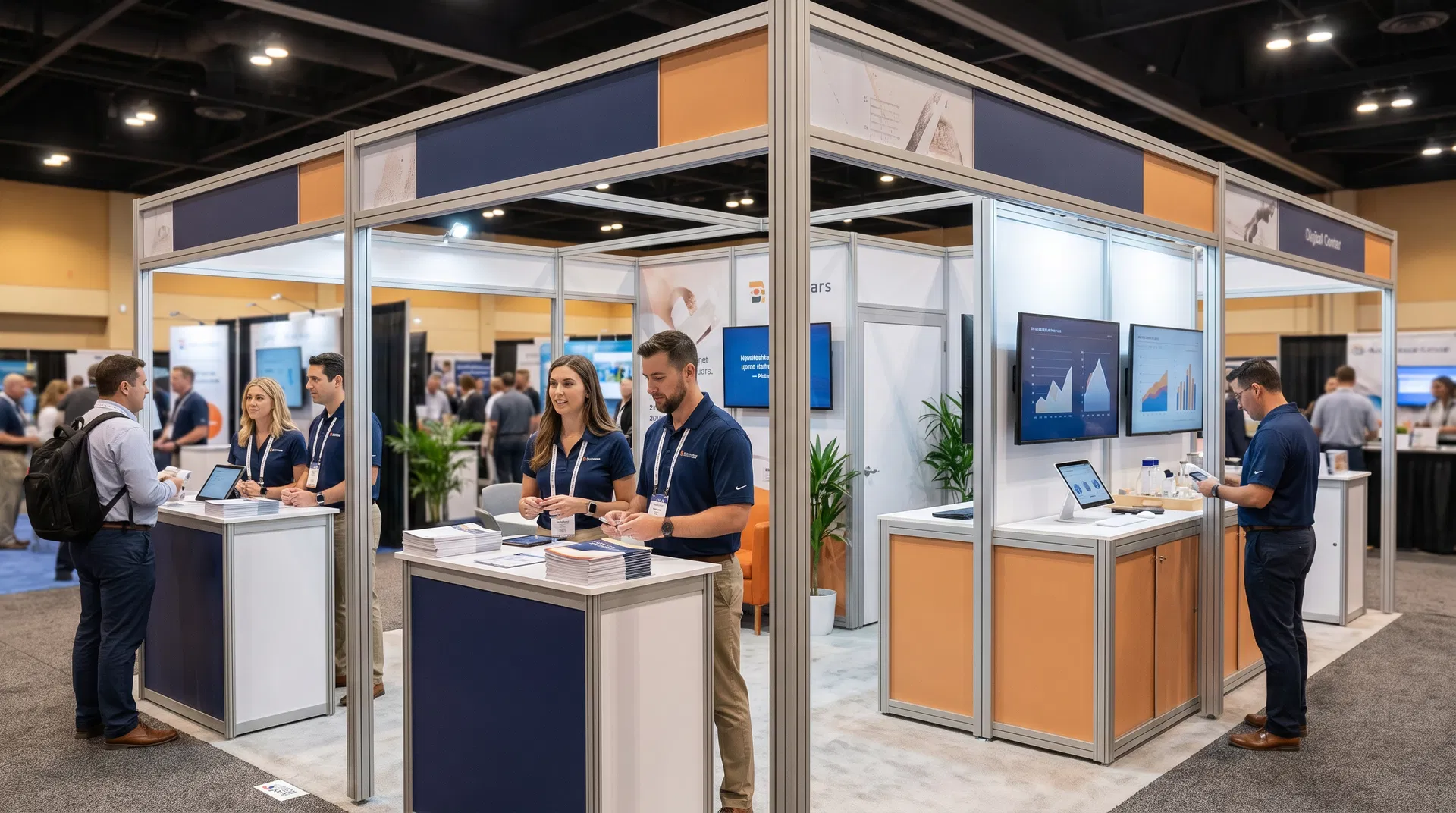
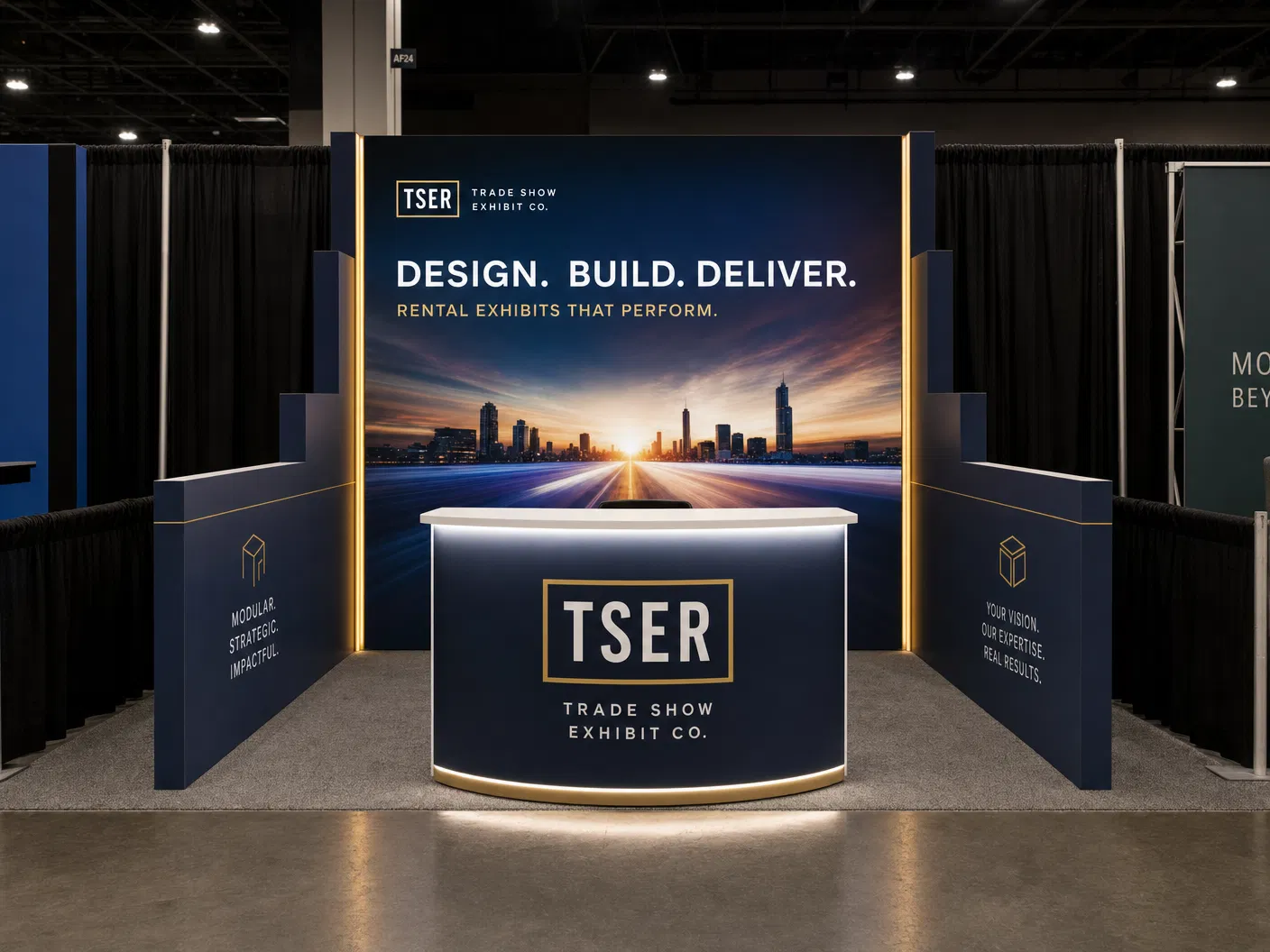
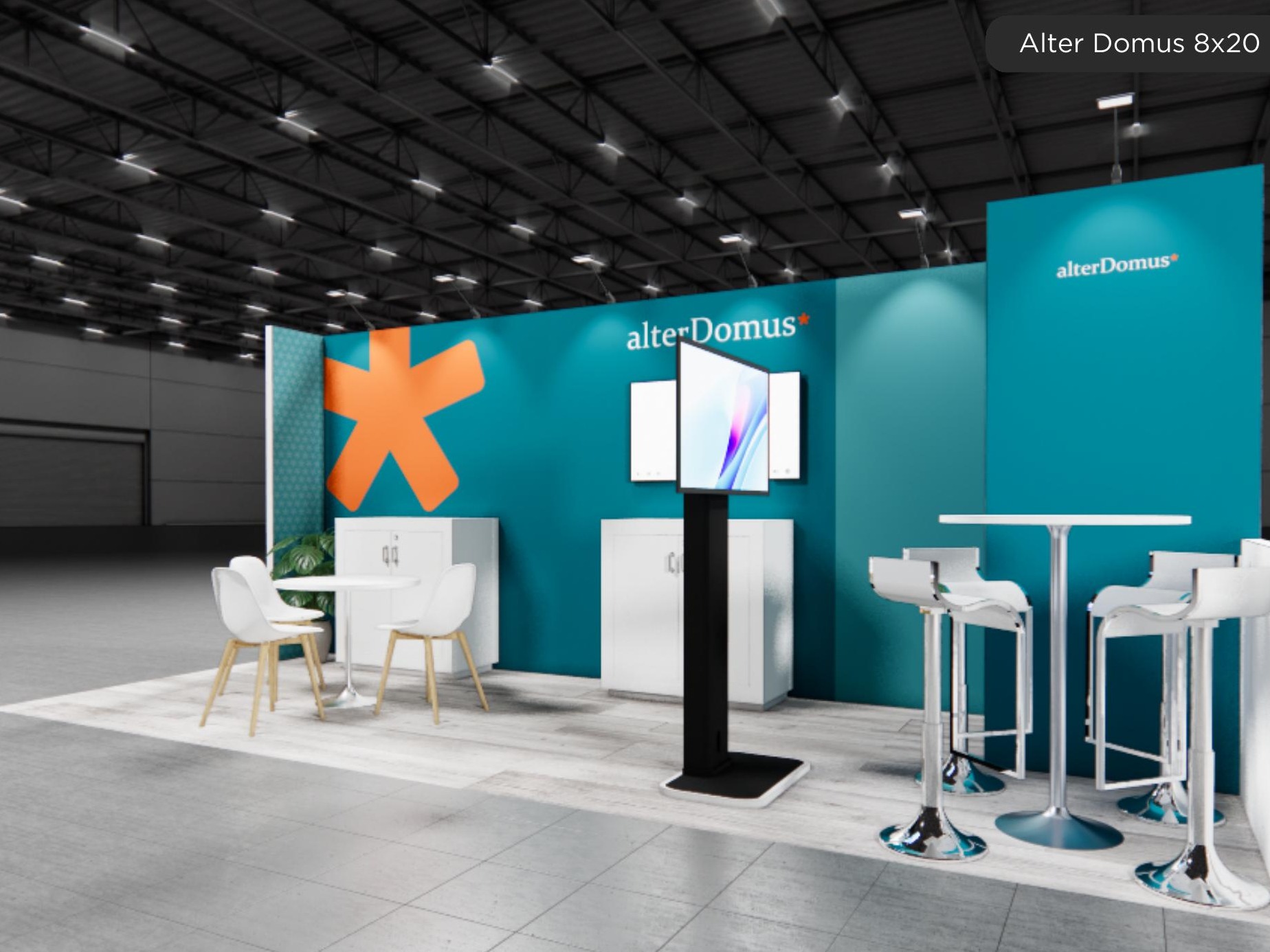
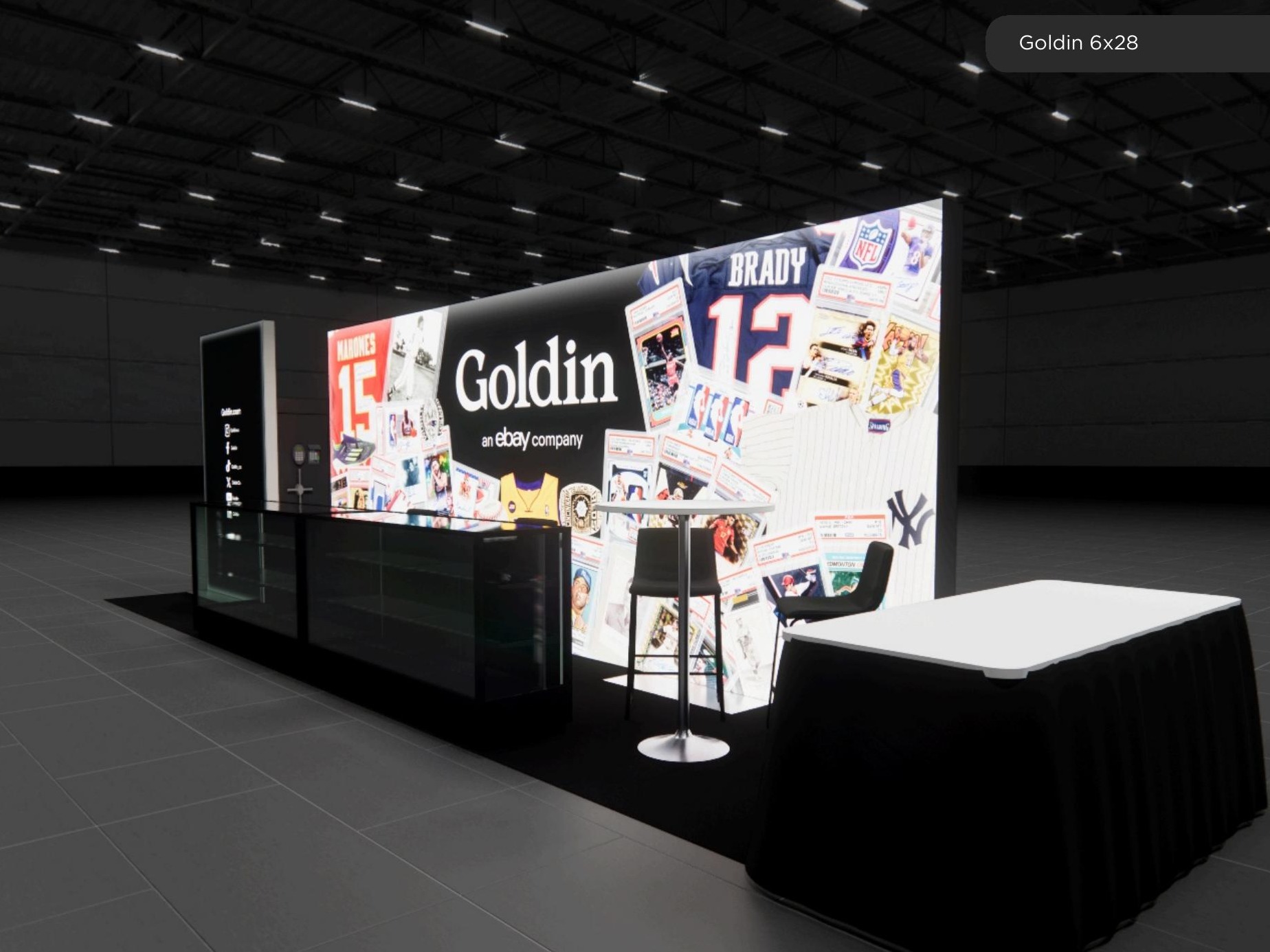
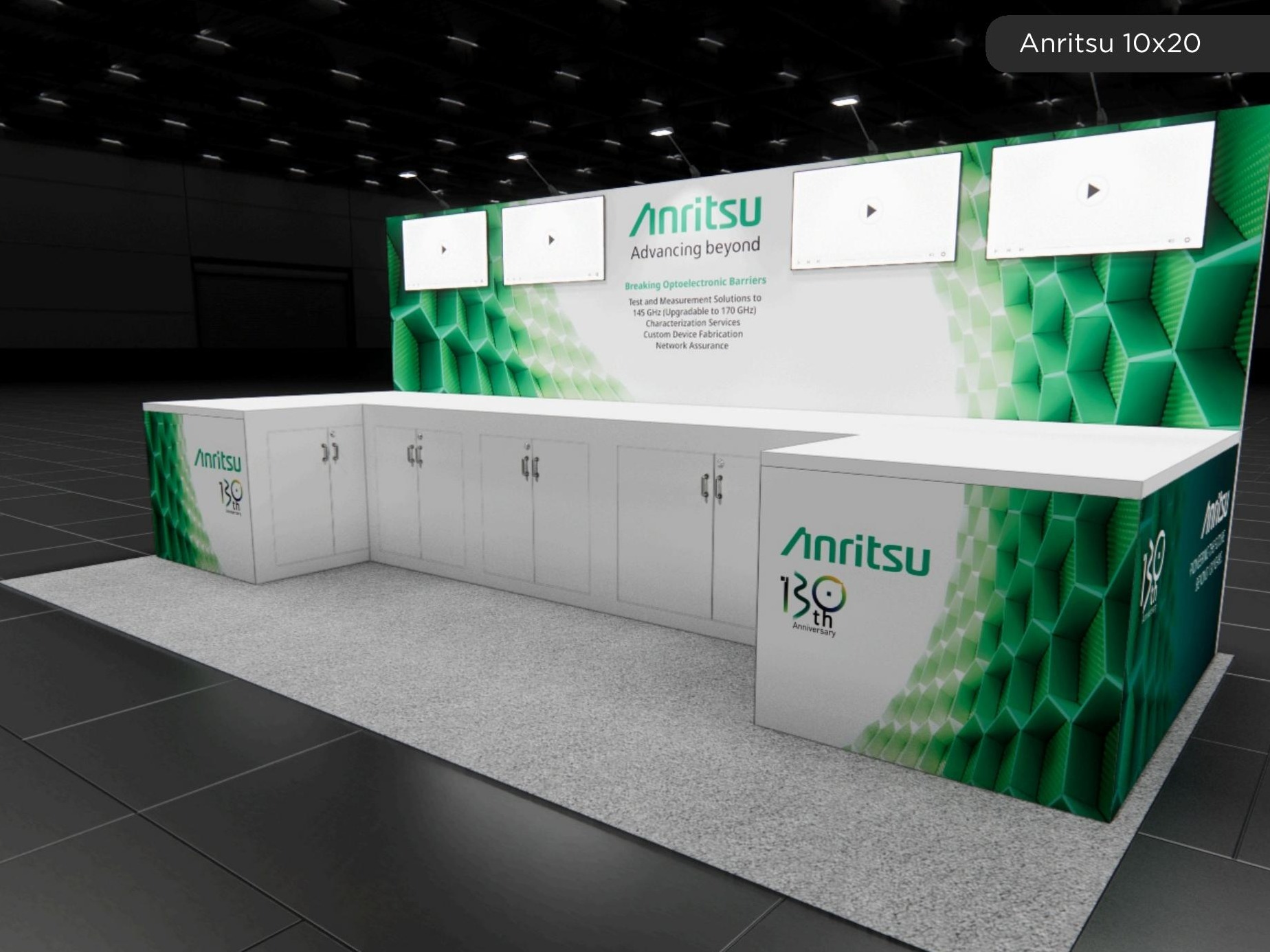


Esta imagen ilustra los componentes clave de la planificación de ferias comerciales, incluyendo gestión de cronogramas, control presupuestario y coordinación logística. Sirve como guía visual para equipos que desarrollan un mejor programa de exhibición.
- La planificación de ferias comerciales influye en mucho más que el aspecto del stand.
- La primera pregunta es qué necesita decidir el equipo ahora para que el diseño, la fabricación, los gráficos, la logística y el personal se mantengan alineados más adelante.
- Los sistemas modulares de aluminio son útiles porque obligan a una planificación más honesta.
- El mayor riesgo de planificación es permitir que las decisiones del stand se retrasen hasta que el calendario obligue a aprobaciones apresuradas, producción comprimida y exposición innecesaria a costos.
Por qué la planificación de ferias comerciales importa más de lo que la mayoría de los expositores espera
Trade show planning influences far more than the look of the exhibit. It affects staffing, timing, visitor flow, graphics, freight, and what the program actually costs to execute. Buyers usually run into trouble when they treat trade show planning as a late-stage detail rather than an early planning decision. Once the show date gets close, mistakes around trade show planning become expensive because every other discipline starts reacting to them at once.
Esto es especialmente cierto en mercados de alto volumen como Orlando, Las Vegas, Houston y Dallas. Esos lugares revelan rápidamente una planificación débil. Los periodos de mano de obra se acortan, los cronogramas de montaje se overcargan y los errores pequeños en el alcance se convierten en problemas reales de facturación. Cuanto más claramente el equipo defina la planificación de la feria comercial desde el inicio, más fácil será coordinar diseño, fabricación, gráficos, logística e instalación.
Las decisiones clave que los compradores deben tomar primero
The first question is what the team needs to decide now so design, fabrication, graphics, logistics, and staffing stay aligned later. That answer frames the rest of the planning conversation. A team that needs lead capture and quick product orientation will make different exhibit decisions than a team that needs long demos, hospitality, or private meetings. Once the objective is clear, the exhibit can be built around a real operating model instead of a collection of disconnected features.
The next move is to define what is mandatory versus optional. That distinction protects the budget. It also keeps the conversation grounded in engineering logic such as frame length, graphic coverage, LED tile count, crate count, and labor hours instead of drifting into vague statements about an exhibit looking more premium. Clear priorities almost always produce a stronger exhibit than a longer wish list.
Cómo los sistemas modulares mejoran la disciplina de planificación
modular aluminum systems are helpful because they force more honest planning. The frame geometry is known, graphic panels can be scoped accurately, and media surfaces can be integrated without reinventing the structure each time. That does not limit creativity. It simply means the creative direction is tied to a realistic build method from the beginning.
For exhibitors trying to scale across multiple events, systems-first planning also supports reuse. A clean modular backbone makes it easier to reconfigure the environment for different venues or show objectives while preserving brand recognition. That flexibility becomes valuable when one calendar includes a small inline exhibit in Orlando, a larger island in Las Vegas, and another variation in Dallas or Houston.
Dónde los expositores suelen perder dinero o impulso
The biggest planning risk is allowing exhibit decisions to drift until the calendar forces rushed approvals, compressed production, and unnecessary cost exposure. Once that starts happening, every downstream step gets harder. Graphics are revised late, fabrication choices become reactive, freight assumptions change, and the install plan becomes harder to defend. The result is not just overspend. It is a weaker experience on the show floor because the exhibit feels unresolved.
Otro problema común es confiar en el precio sin verificar los supuestos de alcance detrás de él. Una cotización que parece más baja al principio puede resultar más cara si el modelo de mano de obra es limitado, los gráficos están excluidos, o el flete fue subestimado. La forma más segura de evaluar cualquier plan es preguntar exactamente qué se ha modelado y cuáles variables aún están abiertas.
Una forma práctica de mejorar la planificación para ferias comerciales antes del próximo evento.
Los equipos suelen avanzar más cuando redactan un resumen de exhibición de una página que cubre el evento, lugar, espacio, cantidad de personal, historia principal del producto, funciones indispensables y presupuesto aprobado. Ese resumen convierte la planificación de ferias comerciales de un tema abstracto en un plan de proyecto funcional. También proporciona a los equipos de diseño y operaciones el mismo vocabulario en lugar de obligarlos a interpretar la tarea de manera diferente.
En 2026, los programas más sólidos serán los que sigan siendo comercialmente realistas. Combinan un objetivo claro, una disciplina estructural modular, claridad de mensaje y un plan logístico que pueda sobrevivir al lugar. Ése es el estándar que los compradores deberían utilizar cuando evalúan la planificación de una feria comercial en lugar de elegir lo que parezca más impresionante en una conversación de ventas.